Back to Travel Guide

Top Attractions in Curaçao

From ancient caves and hilltop forts to uninhabited islands and wildlife parks — Curaçao offers far more than beaches.

Curaçao packs a surprising number of world-class attractions into its 61 km length. Whether you're a history buff, nature lover, or travelling with kids, you'll find plenty to fill your days beyond the beach. Here are the island's unmissable highlights.

Hato Caves

Hato Caves

Hidden beneath the limestone plateau near the airport, Hato Caves are a 200,000-year-old underground world of stalactites, stalagmites, and ancient coral formations. The guided tour takes about 45 minutes and leads you through illuminated chambers with names like 'The Cathedral' and 'The Madonna'. You'll see the rare long-nosed fruit bat colony that calls the cave home, and petroglyphs left by the Arawak people over 1,500 years ago. The caves maintain a cool 27°C year-round — a welcome break from the tropical heat. The entrance fee is around $10 for adults.

💡 Tip: Go early in the morning when the caves are quieter. Wear closed shoes — the paths can be slippery.

Curaçao Ostrich Farm

One of the largest ostrich breeding farms outside Africa sits on the eastern tip of Curaçao. The guided safari tour takes you through the grounds where ostriches, emus, and other exotic animals roam freely. You can feed the ostriches by hand (a memorable and slightly nerve-wracking experience), learn about their behaviour and breeding, and even hold a day-old chick. The on-site restaurant serves ostrich dishes — steaks, burgers, and carpaccio — for the adventurous eater. The farm also has a playground and small petting zoo, making it a solid family outing.

💡 Tip: Don't wear dangling jewellery — ostriches peck at shiny objects. The farm is open daily; allow about 1.5 hours.

Curaçao Sea Aquarium

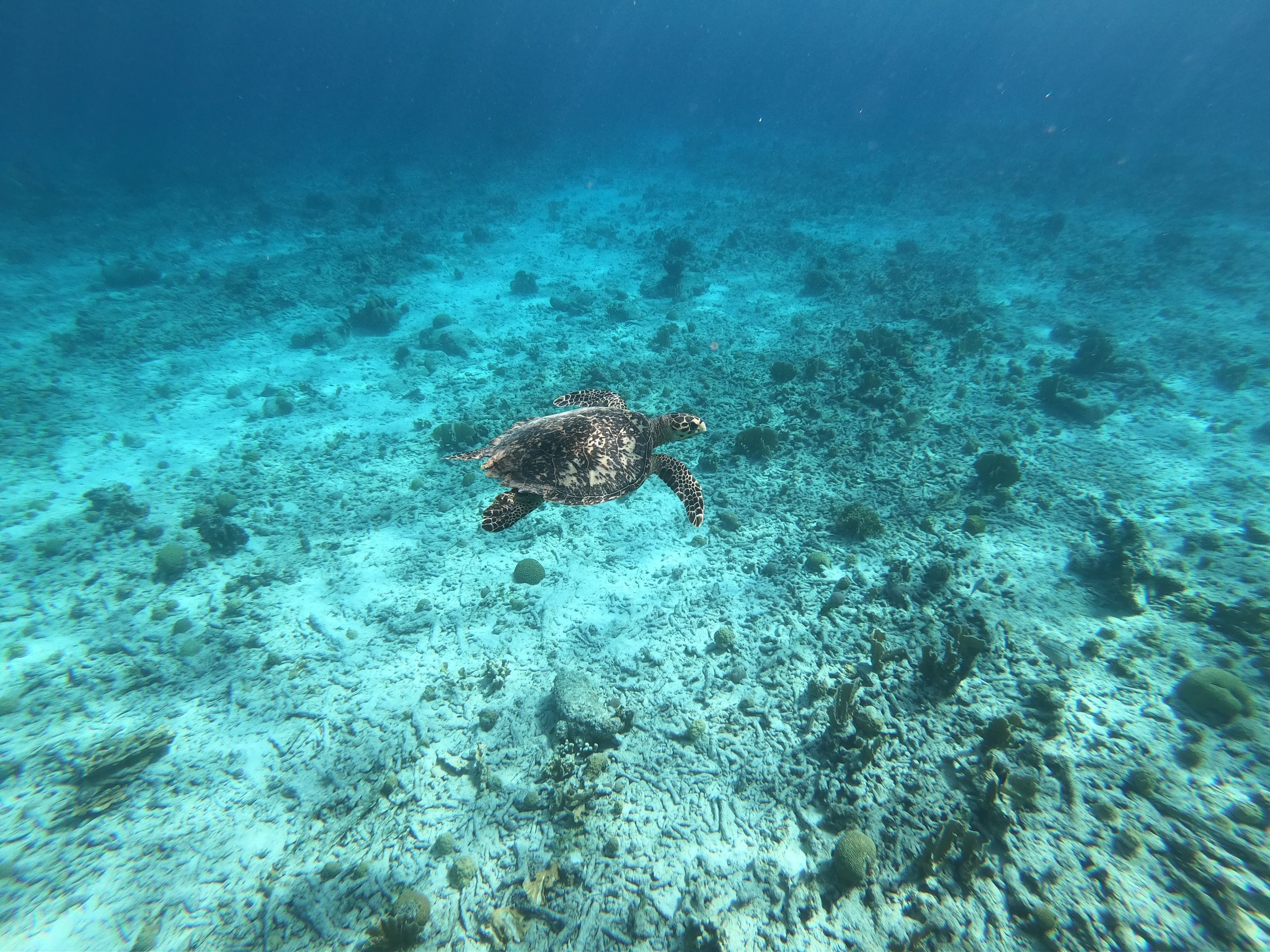
Located on the south coast near Mambo Beach, the Sea Aquarium is part marine park, part educational centre. Its open-water enclosures allow natural seawater flow, so the marine life thrives in near-natural conditions. You can snorkel alongside sea turtles, stingrays, and sharks in supervised encounters. The Dolphin Academy next door offers swimming experiences with bottlenose dolphins in open-water lagoons. The Sea Aquarium also runs coral restoration and turtle rehabilitation programmes — your entrance fee directly supports conservation. Plan at least 2–3 hours, more if you're doing animal encounters.

💡 Tip: Book dolphin and shark encounters online in advance — they sell out, especially during cruise ship days. Entrance is about $25 for adults.

Shete Boka National Park

Shete Boka National Park

The dramatic north coast of Curaçao is nothing like the calm south side. At Shete Boka ('Seven Mouths'), the Atlantic Ocean crashes into volcanic limestone cliffs, sending plumes of spray 10 metres into the air. The park protects several inlets where hawksbill and loggerhead sea turtles nest between May and November. The most spectacular sight is Boka Tabla — a collapsed cave where waves thunder into an underground chamber. Short walking trails connect the various bokas, each with a different character. The landscape is otherworldly: black volcanic rock, crashing surf, and wind-bent divi-divi trees.

💡 Tip: Visit in the morning for calmer conditions. Wear sturdy shoes — the volcanic rock is razor-sharp. Entrance is about $12.

Christoffelberg (Mount Christoffel)

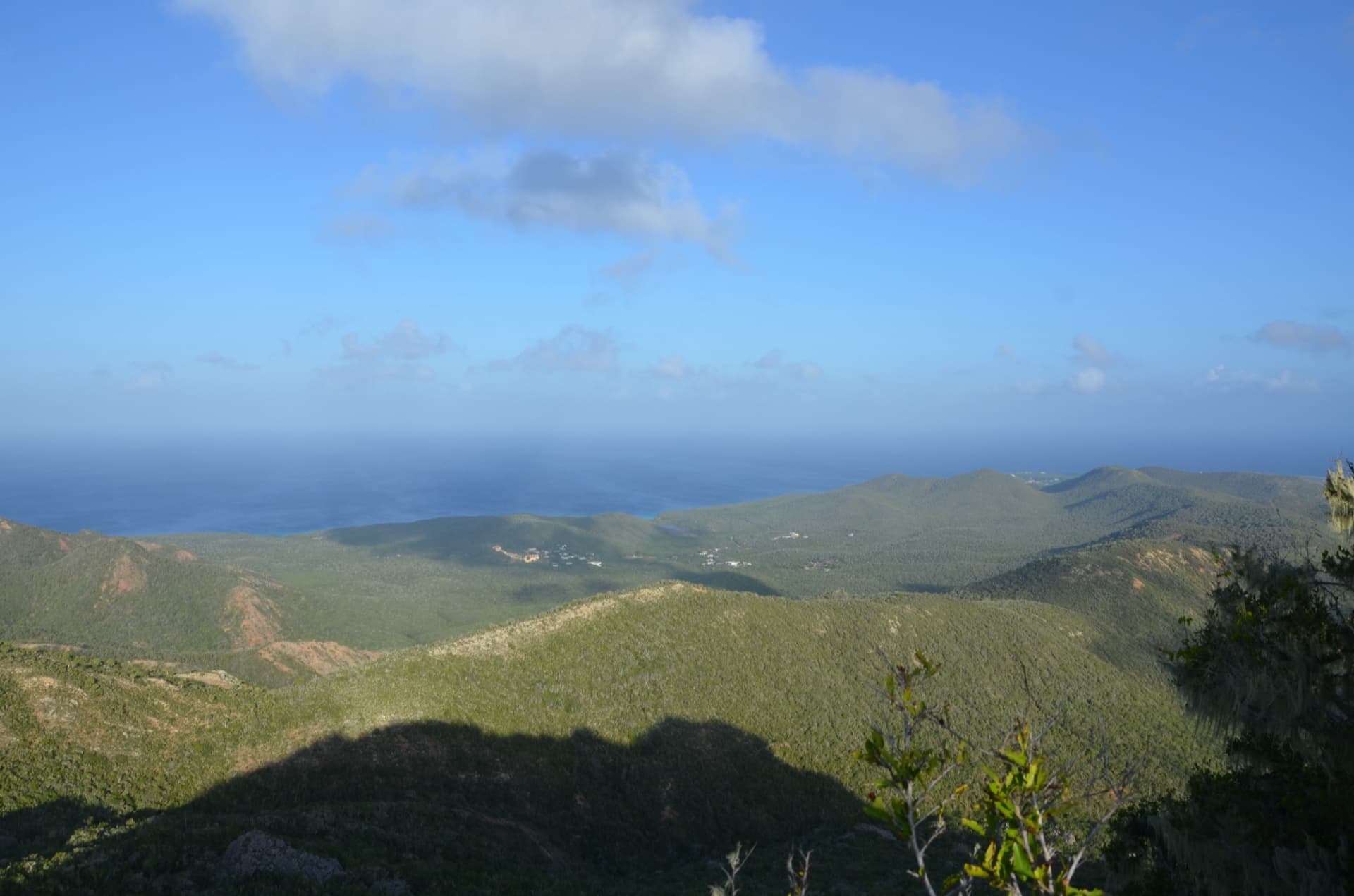
Christoffelberg (Mount Christoffel)

At 375 metres, Christoffelberg is the highest point on Curaçao and sits within the Christoffel National Park. The hike to the summit takes 1.5 to 2.5 hours depending on your fitness and the route you choose. The trail winds through dry tropical forest, past centuries-old stone walls from plantation days, and through terrain where the rare Curaçao white-tailed deer can sometimes be spotted. The view from the top is staggering: on clear days you can see the Venezuelan coast, Bonaire, and the entire west coast of Curaçao. Start early — the park opens at 6 AM and the gate closes at 10 AM for summit hikes to avoid midday heat.

💡 Tip: Start at sunrise (6 AM) to beat the heat. Bring at least 2 litres of water per person. The last section involves scrambling over rocks.

Fort Amsterdam

Fort Amsterdam

Built by the Dutch West India Company in 1635, Fort Amsterdam is the oldest fort on Curaçao and now serves as the seat of government. It sits at the entrance to the Sint Annabaai channel in Punda, overlooking the iconic Handelskade waterfront. The fort houses the Protestant Church of Curaçao (1769), which still has a British cannonball embedded in its wall from an 1804 attack. Entry to the courtyard is free, and the views of the harbour from the ramparts are excellent. The surrounding streets of Punda are packed with pastel-coloured colonial buildings, shops, and cafés.

💡 Tip: Visit during weekday mornings for a quiet experience. Combine with a walk through Punda's shopping streets.

Kura Hulanda Museum

Located in a beautifully restored 18th-century merchant house complex in Otrobanda, Kura Hulanda is one of the most important museums about the transatlantic slave trade in the Western Hemisphere. The exhibits trace the journey from West Africa through the Middle Passage to the plantations of Curaçao, using artefacts, documents, and powerful visual storytelling. Curaçao was one of the largest slave trading centres in the Caribbean, and this museum confronts that history with honesty and depth. It also has excellent collections of West African art and Mesopotamian artefacts. Allow 2–3 hours for a thorough visit.

💡 Tip: Take a guided tour if available — the stories behind the exhibits are even more powerful with context. Entrance is about $10.

Klein Curaçao

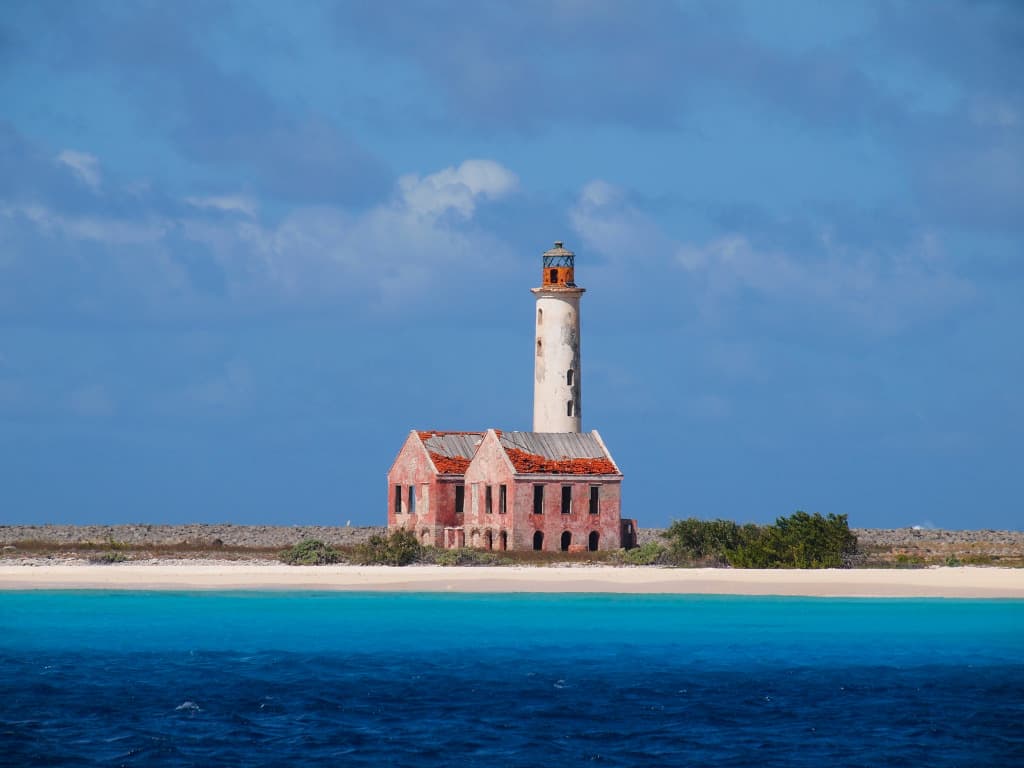
Klein Curaçao

This uninhabited island lies 15 km southeast of Curaçao and is a day-trip paradise. Klein Curaçao is famous for its pristine white-sand beach, an abandoned lighthouse, shipwrecks rusting on the shore, and some of the clearest water in the Caribbean. The snorkelling is exceptional — sea turtles, reef sharks, and eagle rays are common visitors. Several boat operators run day trips (typically $100–150 per person including lunch and drinks), departing early morning and returning by late afternoon. The crossing takes about 1.5–2 hours. Note: there is no shade on the island, so bring sun protection.

💡 Tip: Book with an operator that provides shade tents on the beach. Bring reef-safe sunscreen and a rashguard — the sun is relentless.

About our Seafari safaris

How do I book a Seafari tour?+
Book directly on seafariadventurescuracao.com — select your tour, pick a date, fill in your details, pay securely, and receive instant confirmation. No booking fees. Cruise passengers: we match your ship schedule and guarantee on-time return.
What's included in a Seafari tour?+
All our tours include professional snorkeling equipment, drinks (soft drinks, beer, signature Seafari cocktail), snacks or lunch depending on the tour, sun shade on the boat, and a multilingual guide. Snorkel vests are free on request. You only bring swimwear, towel, and sunscreen.
What if the weather is bad?+
Our Rupert 50 RIB handles moderate chop comfortably. For genuinely dangerous weather we reschedule or refund 100%. You get a call by 7 AM on the tour day if we need to adjust. Curaçao weather is stable year-round — cancellations happen less than 5% of the year.
Is Seafari suitable for children?+
Yes. Children 6+ are welcome on all standard tours. The boat has stable RIB hulls (no seasickness for most), life vests in all sizes, and our guides are trained in family snorkel introductions. For children under 6 we recommend a private charter for flexibility.
Can I book a private charter?+
Yes — the Rupert 50 is available for private charter for groups of 2-36. Design your own route, pick your own stops, set your own pace. Contact us via the Private Charter form and we'll quote a fixed price within 24 hours.
What's the cancellation policy?+
Free cancellation up to 48 hours before departure — full refund, no questions asked. Within 48 hours: 50% refund. If WE cancel (weather, mechanical, safety): 100% refund or free reschedule. Travel insurance is recommended for cruise passengers.
Discover it by boat

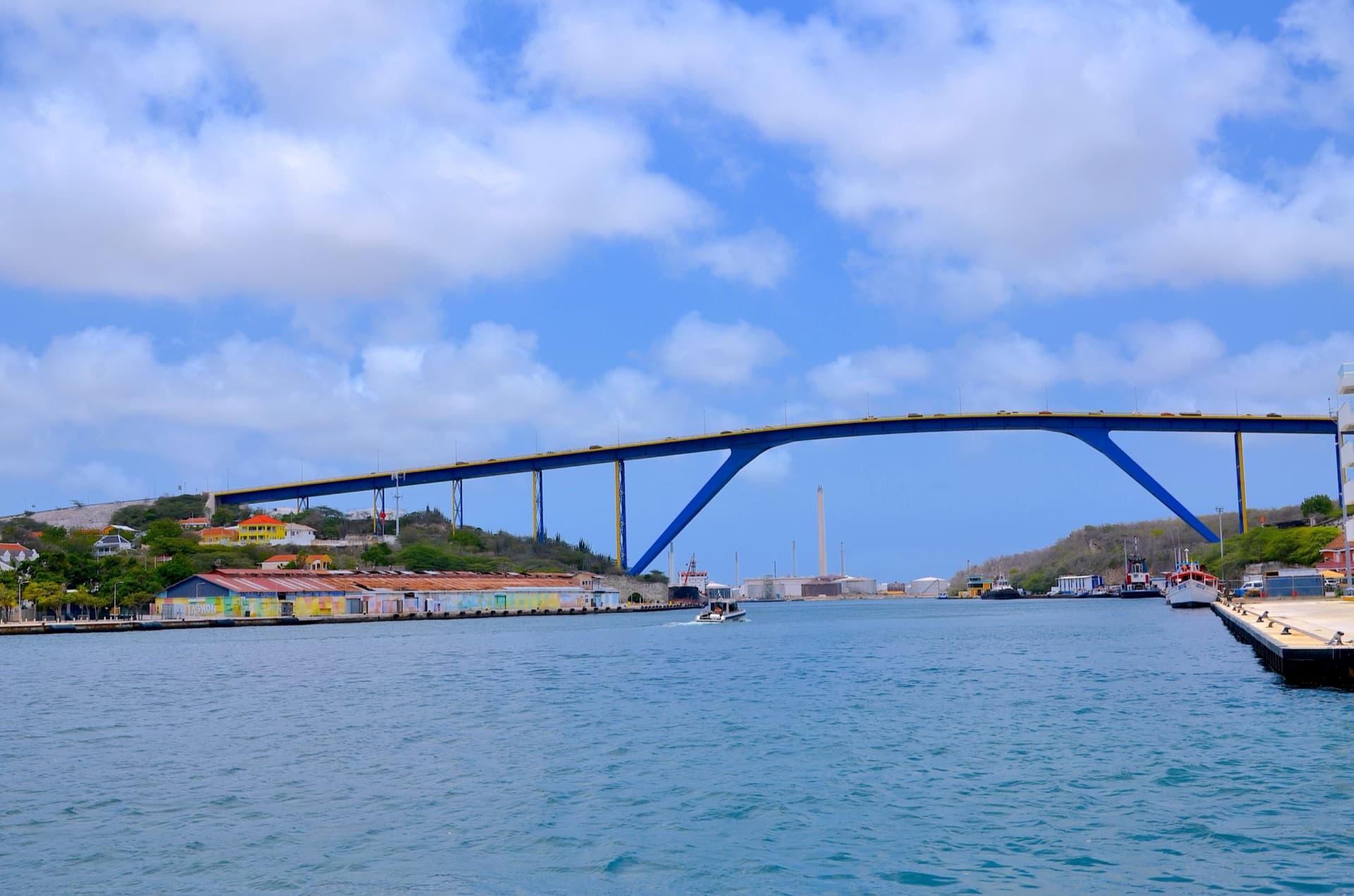
The best way to experience Curaçao's coastline is from the water. Our sea safaris take you to the island's most beautiful spots — places you can only reach by boat.

View Our Tours