Back to Travel Guide

Diving in Curaçao

With over 60 named dive sites, year-round warm water, and a fringing reef accessible from shore — Curaçao is one of the Caribbean's premier diving destinations.

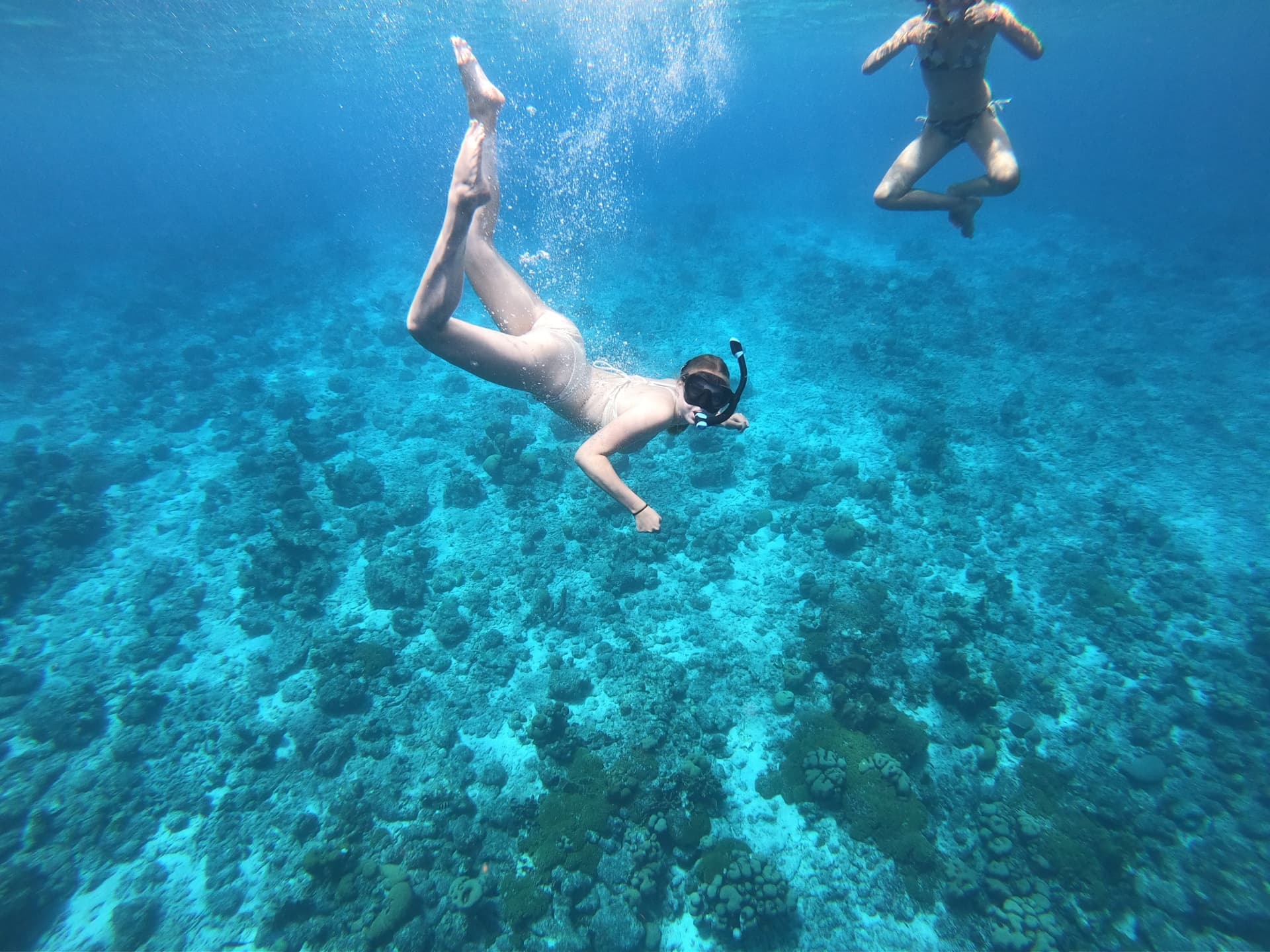
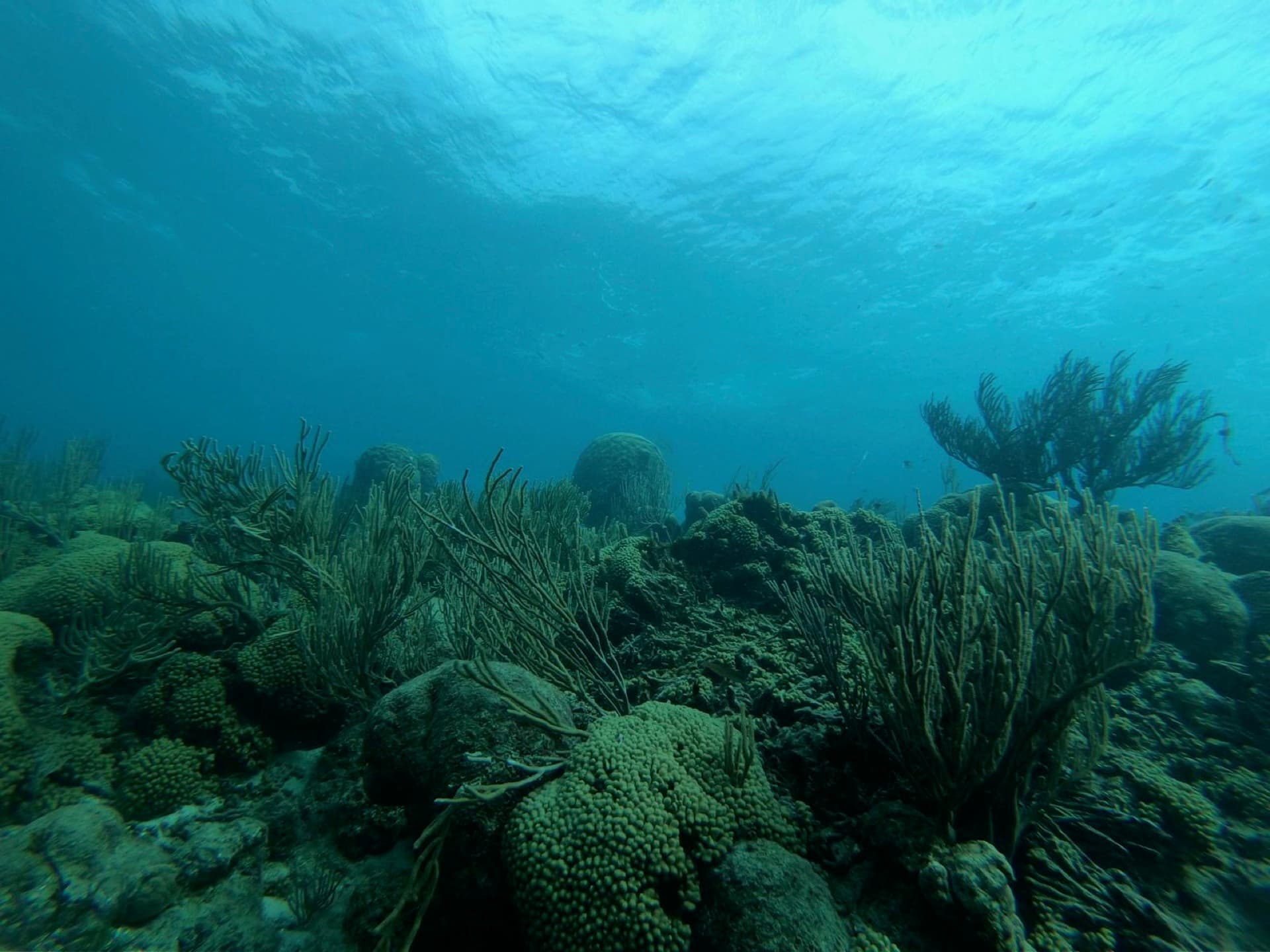
Curaçao is a diver's paradise. The island's entire leeward coast is fringed by a healthy coral reef, and most of the 60+ dive sites are accessible directly from the shore — no boat needed. Visibility averages 25–40 metres year-round, water temperature stays between 26–28°C, and currents are generally mild. Whether you're a beginner doing your first Open Water course or an experienced diver seeking walls, wrecks, and rare critters, Curaçao delivers.

All dive sites on the map

46 locations · Click markers for details · Map © OpenStreetMap

Tugboat — Curaçao's Most Famous Shallow Wreck

Tugboat — Curaçao's Most Famous Shallow Wreck

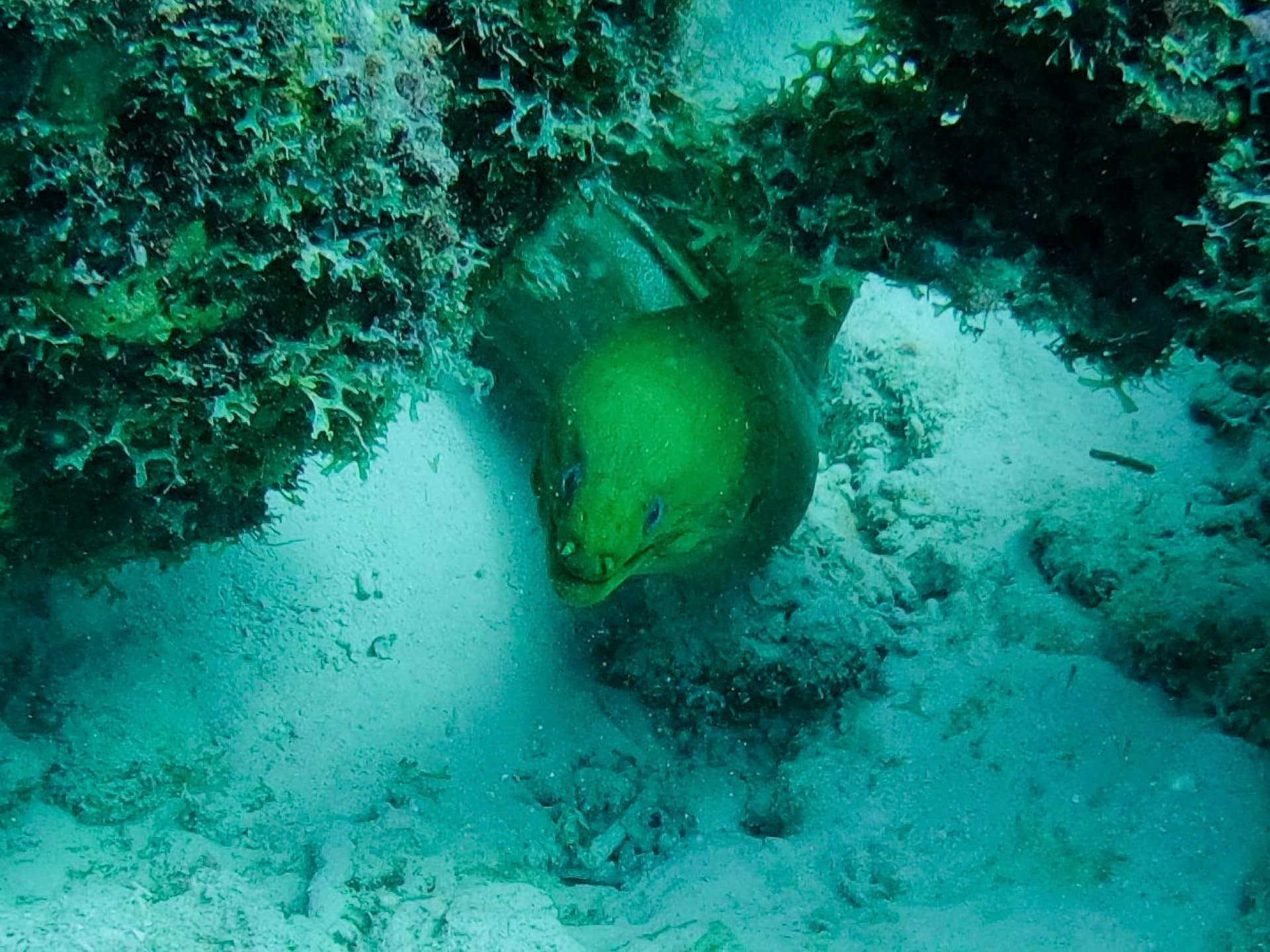
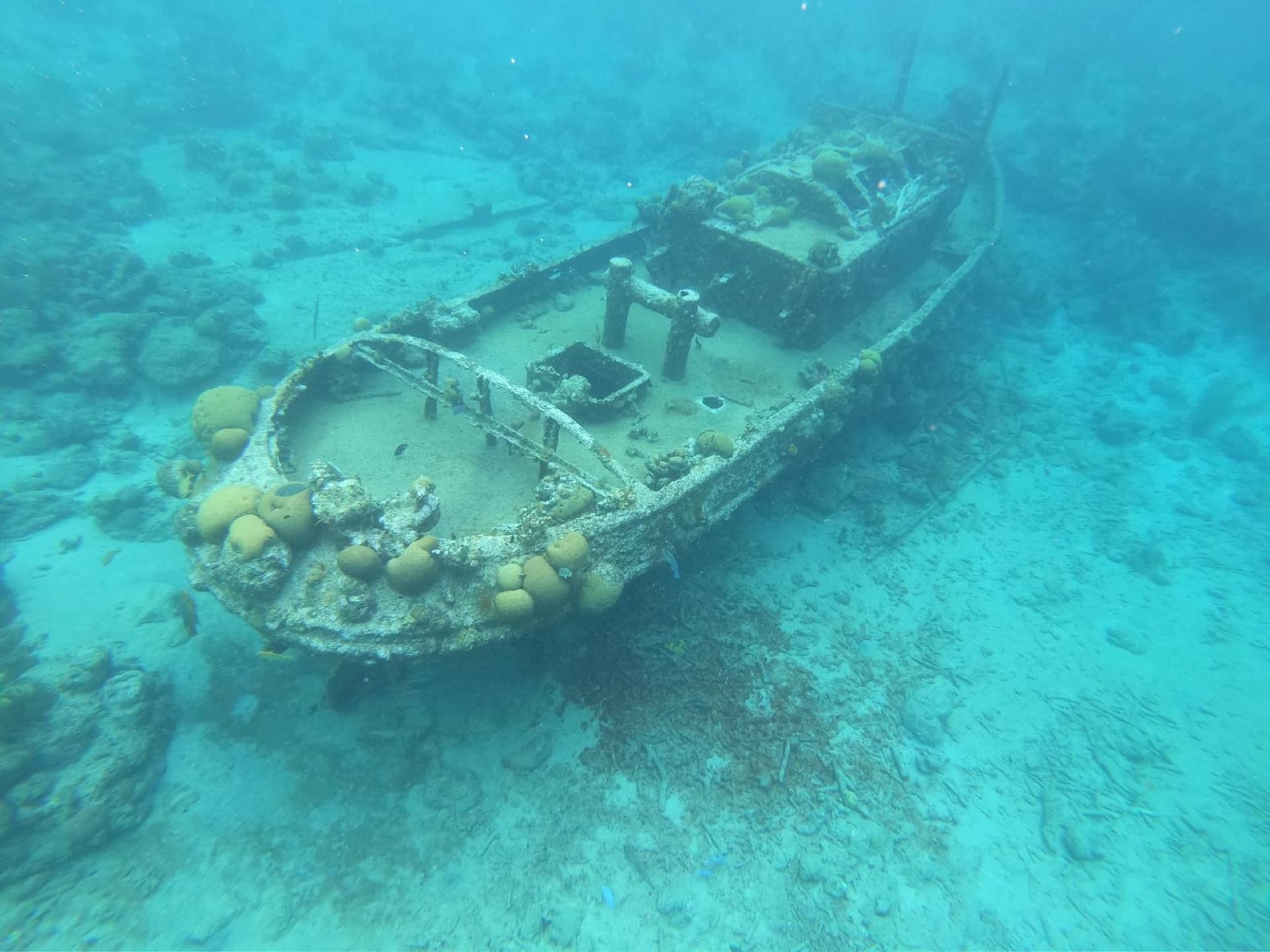
The Tugboat is the gateway dive of Curaçao: a small wooden and metal boat sunk at just 5 metres depth in Caracasbaai, fully encrusted with coral, swarmed by tropical fish, and reachable directly from shore. No other dive site on the island is more photographed, more dived, or more loved by beginners. The wreck sits upright on a sandy bottom a few metres off the rocky entry point. Thirty years of coral colonisation have turned the hull into a living reef — orange elephant-ear sponges drape the sides, yellow sea fans wave in the mild current, small coral growths cover the deck. Schools of blue chromis, sergeant majors, and French grunts cloud the wreck; a resident green moray eel has lived in the stern for over a decade. Pass through the wheelhouse and you'll often find a lionfish sitting completely still. Because the wreck is so shallow, snorkelers can enjoy the same show as divers — which makes Tugboat one of the rare sites where the casual visitor sees exactly what the certified diver sees. A five-minute swim east leads to Lost Anchor, a deep dive with a massive chain descending past 30 metres (originally the anchor of a torpedo-net installation). On your way back, watch for turtles at Turtle Island, a small double reef.

💡 Tip: Go early morning before 10 AM — boat traffic in Caracasbaai picks up as the day heats, and fish are more active in soft light. Entry is rocky; water shoes save your feet.

Superior Producer — 30-Metre Cargo Wreck off Willemstad

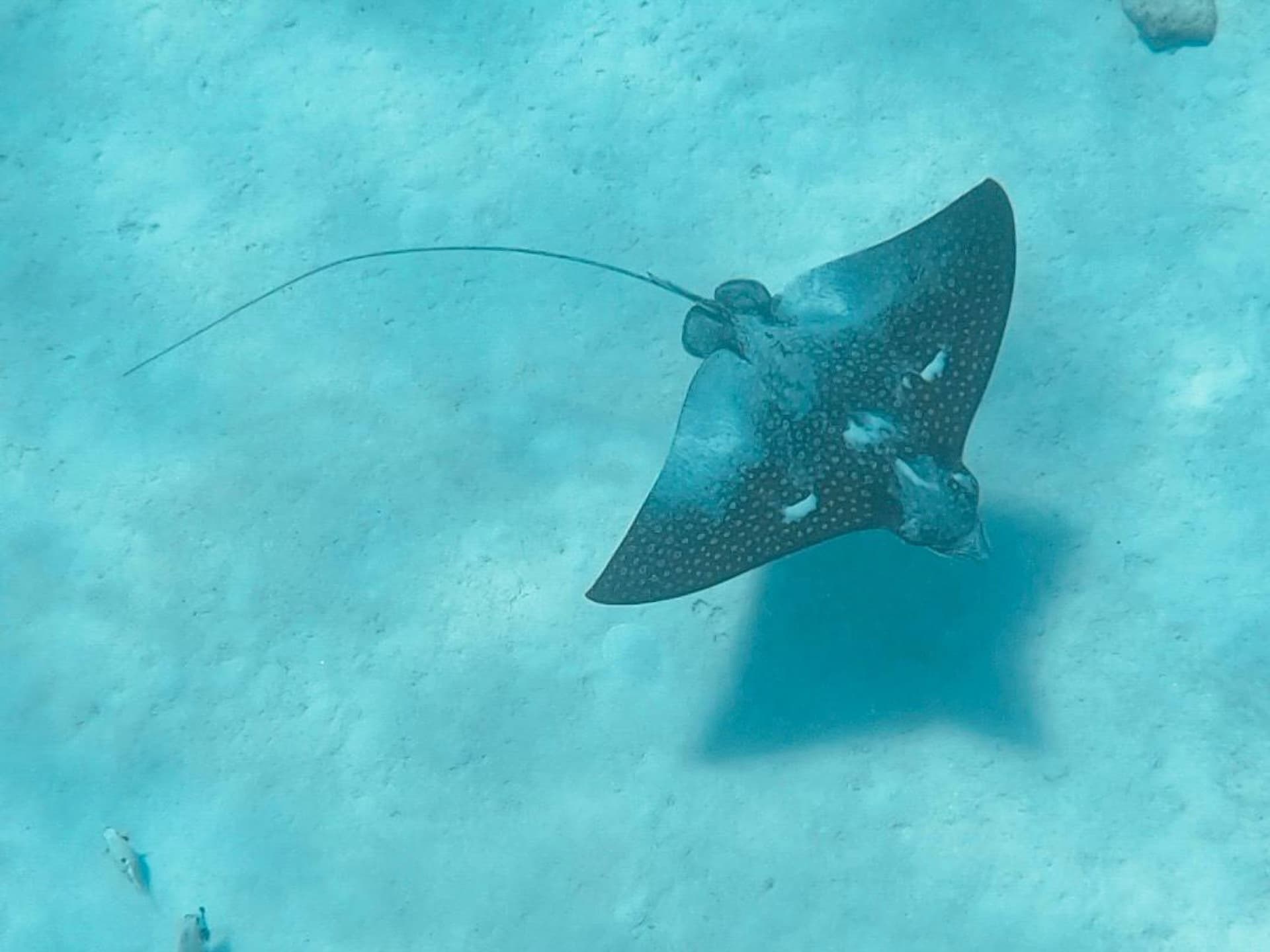
The Superior Producer is Curaçao's most serious wreck dive: a 200-foot cargo ship that sank in 1977 just outside Willemstad harbour, now resting upright at 30 metres on a sandy bottom. Everything about this dive is oriented toward the intermediate-to-advanced diver — the depth puts it beyond the limits of recreational beginners, and the surface currents can demand proper weighting and entry planning. The wreck itself is magnificent. The hull is entirely encrusted with orange, red, and purple corals. Two masts rise to 18 metres, making useful visual references for your ascent. Swim-throughs are possible through the wheelhouse and cargo hold (reserved for trained wreck divers). Large schools of tarpon use the wreck as a holding station — a dozen or more silver giants cruising around the masts is the classic Superior Producer image. Barracuda hunt in the mid-water column; eagle rays occasionally pass over the sandy bottom beyond the wreck. Most dive operators visit Superior Producer only on scheduled boat days because of the harbour-entry safety rules. Book a reputable operator; do not attempt this as a solo shore dive. A surface marker buoy is essential for the ascent back to the pickup boat. Visibility averages 15-25 metres.

💡 Tip: Go with a shop that books Superior Producer as a dedicated morning boat dive — the combination of depth, current, and shipping-lane exit requires professional planning. Avoid afternoon dives here.

Mushroom Forest — Colonies of Mountain Coral

Mushroom Forest is one of Curaçao's most unusual dive sites: an underwater landscape dominated by massive mountain coral colonies (Montastraea annularis) that have grown into enormous mushroom-like shapes, some towering three metres tall. The site is located along the north-west coast, reachable only by boat, and is usually paired with a dive at the adjacent Blue Room sea cave. At 12-18 metres depth the reef opens into a field of these giant mountain coral colonies. Between them, brain corals, sea fans, and sponges fill the gaps; schools of blue tang and French angelfish patrol the open water above the formations. Keep an eye on the sand at the edges of the reef — peacock flounders and southern stingrays rest camouflaged, moving only when surprised. The mushroom colonies themselves host chromis and juvenile angelfish in their protected crevices. The reef drops off sharply on the seaward side, descending into blue water where barracuda and small tuna sometimes hunt. Mushroom Forest is a classic 'reef-top' dive — you can stay shallow and still see an extraordinary amount. Visibility is regularly 25-30 metres, and the light in the late morning hits the coral colonies in a way that turns the whole site golden.

💡 Tip: Combine with Blue Room in a single boat trip — most dive shops offer it as a double dive. Bring a torch for Blue Room's cave interior.

Blue Room — Luminous Sea Cave

The Blue Room is not really a dive so much as an experience. A large sea cave cut into the limestone cliffs of the north-west coast, it has a single underwater entrance at about 3 metres depth that opens into an air-filled chamber inside the cliff. Light reflects off the sandy bottom and fills the cave with an almost unbelievable blue luminescence — hence the name. On a bright day, the effect inside the cave is cinematic. Access is by boat only. The entrance is reached by a short free-dive down through a gap in the reef — divers and snorkellers both can enter easily. Once inside, you can surface and tread water while enjoying the light. The chamber extends back about 20 metres into the cliff, with the ceiling rising to several metres above the water inside. Small silvery fish use the cave as a day shelter; swallows and bats roost on the ceiling above the water line. The Blue Room is best visited mid-morning when the sun is high enough to send rays straight down through the opening into the cave. Overcast days produce a flatter effect and less spectacular light. Combine with a Mushroom Forest dive for a classic north-west coast day.

💡 Tip: Snorkellers should feel comfortable with a 3-metre free-dive through the entrance. The cave is completely safe once you're inside; the swim in takes about 5 seconds.

Alice in Wonderland (Playa Kalki) — Coral Garden at the West End

Alice in Wonderland lies off Playa Kalki at the far west tip of Curaçao, and it earns its whimsical name honestly: the reef formations here are so densely packed and variety-rich that diving through them really does feel like falling into a coral wonderland. The site is shore-accessible from the pebble beach, with an easy walk-in entry over a gentle sandy bottom. The reef begins at about 6 metres and slopes down to 25+ metres. The shallower zone is dominated by staghorn and elkhorn coral formations — both species currently rare across the Caribbean but healthy here. Large gorgonians and purple tube sponges cluster along the slope; brain corals and plate corals fill the middle zone. Keep watching the edges: hawksbill and green turtles regularly feed on the sponges, and eagle rays cruise the deep sand at 20+ metres. At 18-20 metres you'll find small swim-throughs and overhangs — one of the reasons the site has its Lewis Carroll name. The visibility at Playa Kalki is often the best on the island (30+ metres), and the combination of healthy reef, interesting topography, and shore access makes this arguably the best shore dive in the Caribbean.

💡 Tip: Stay shallow on your way back to the beach — the 3-to-6-metre reef-top hosts some of the most colourful coral density, and it lets you extend your bottom time at depth.

Playa Piskado (Playa Grandi) — Swim with Wild Sea Turtles

Playa Piskado — also known locally as Playa Grandi — is not primarily a coral reef dive. It is a turtle encounter. Local fishermen clean their catch at the small pier here, and green and hawksbill turtles have been visiting for generations to feed on the scraps. The result: virtually guaranteed close encounters with wild sea turtles at a depth of 3-6 metres, directly off a pebble beach. The turtles are habituated to snorkellers and divers but remain wild. Local rules are absolute: no touching, no feeding, no chasing. If you hover still in the water, a turtle will come within arm's length to feed on sponges or scraps. This is not a captive-encounter experience; it is a wild-wildlife experience that happens to be reliable. For divers the rest of the site is also worthwhile: a mild slope down to 18 metres with healthy coral, occasional southern stingrays on the sand, and the underwater statue of Neptune at 8 metres (installed as an art project). Be aware of boat traffic — Piskado is also a working fishing pier and recreational boat base, so a surface marker buoy is strongly recommended. The signage at the site underlines the no-touching rules clearly.

💡 Tip: Mornings are better — fishermen typically clean their catches around 09:00-10:00, which is when turtle activity peaks. Bring a waterproof camera; the turtles often swim close enough to fill your frame.

Watamula — Drift Dive at the North-West Corner

Watamula sits at the extreme north-west tip of Curaçao, where the north coast's exposed conditions meet the west coast's calmer waters. The result is an occasional strong current and some of the most spectacular coral coverage on the island. This is a drift dive site — you enter at one point and the current carries you along the reef while you watch. The wall drops steeply from 10 to well past 30 metres. Large barrel sponges and black corals grow down the deeper wall; on the shallower zone, a mature hard-coral garden spreads horizontally across the sea floor. Watch for large schooling fish — Creole wrasse, horse-eye jacks, and occasional tarpon use the current as a cruise. Green morays hide in crevices; turtles feed in the shallow zone at 8-12 metres. Because of the current, Watamula is suitable for intermediate to advanced divers and requires boat access with a drift-dive plan. Surface marker buoys are essential. On calm days the visibility can exceed 35 metres — among the clearest water on the entire island. If the north wind is up, plan an alternate site; Watamula becomes unsafe quickly.

💡 Tip: Book Watamula as part of a scheduled boat-dive day rather than improvising. The current and weather dependencies mean operators will cancel when conditions aren't right.

Porto Mari — The Double Reef Dive

Porto Mari is one of Curaçao's iconic dive sites and one of the rare examples of a true double reef — two parallel fringing reefs separated by a sand channel. This setup, unusual in the Caribbean, gives divers two distinct environments to explore on a single entry. The first reef runs roughly parallel to the beach at 6-10 metres, with typical fringing-reef biology: finger coral, sea fans, angelfish, chromis. The sand channel between the two reefs lies at about 18 metres. Southern stingrays and peacock flounders camouflage here; eagle rays occasionally pass through on their way along the coast. The second, outer reef drops steeply from 12 to 30+ metres on its seaward side, with larger coral heads, frequent barracuda, and the occasional turtle feeding on sponges at the edge. Entry is from the beach at Playa Porto Mari (a paid beach with full amenities: palapas, restaurant, bathrooms). A paved ramp makes gearing up easy. Shore dive equipment rental is available on-site. Double Reef is suitable for divers of all levels — you can stay on the inner reef as a beginner, or push to the outer wall if certified for deeper depths.

💡 Tip: Get there early on weekends; Porto Mari fills up with beachgoers and the dive entry point becomes crowded. Weekday mornings are ideal.

Director's Bay — Sheltered Night-Dive Classic

Director's Bay, just south of Willemstad, is one of Curaçao's most reliable dive sites — sheltered from most weather, easy entry from a calm bay, and surprising biological density within a short swim. It's also the island's unofficial night-dive capital. The site begins as a sandy entry from a small rocky beach. A short swim out takes you to a reef wall that drops from 6 to 30+ metres. Large coral colonies dominate the shallow zone; the deeper wall holds barrel sponges, black corals, and small caves. By day, expect the standard reef biology — schools of blue chromis, angelfish, surgeonfish, and occasional turtles. By night, the site transforms: octopus emerge from their holes to hunt, lobsters walk the reef, fluorescent-light-emitting coral polyps open, and the occasional bioluminescent plankton bloom lights up the water. The bay's shelter from waves and the easy shore entry make Director's Bay a favourite first-night-dive for divers getting certified for night operations. Most dive shops in the south-west will run guided night dives here twice a week. Bring a good dive torch plus a backup.

💡 Tip: Get a certified guide for your first night dive here — the bay is easy but you need practice with hand signals, buddy contact, and torch discipline in the dark.

Caracasbaai Lost Anchor — Deep Chain Descent

Caracasbaai's Lost Anchor dive isn't a wreck — it's a chain. A massive chain descends from the surface near the right-hand tip of Caracasbaai, disappearing into depths well beyond 30 metres. Divers have traced it to 40+ metres without seeing the end. The chain is probably the anchor of the anti-submarine torpedo net installation that protected Willemstad's harbour during World War II. The dive begins from the rocky shore on the right side of the bay — a long walk down the beach to reach the entry, then a gentle swim out. At 18 metres the chain becomes visible, encrusted with coral and sponges, plunging into the blue. The visual of the descending chain is unique on Curaçao; nothing else on the island gives this sense of vertical scale. Because the chain continues beyond recreational dive limits, Lost Anchor is strictly an advanced dive. Stay within your certification limits — most recreational divers stop at 30 metres. The reef around the chain has healthy coral coverage at 18-25 metres, with plenty of reef fish and occasional turtles. On the swim back, stop at Turtle Island (a small double reef) for turtle sightings at 10-15 metres.

💡 Tip: Combine as part of a multi-dive Caracasbaai day — Tugboat in the morning, Lost Anchor at midday, Turtle Island as you return. Have a dive computer; this site punishes inattention.

Cas Abao — Family Beach, Full-Service Dive

Cas Abao is Curaçao's full-service dive experience: a paid beach (around 10 USD per person, includes palapa and parking) with on-site dive shop, equipment rental, air fills, snacks, restaurant, showers, and bathrooms. Divers with non-diving family can easily spend a full day here without anyone feeling stranded. The dive itself is straightforward. A sandy entry from the beach leads to a gentle slope down to a fringing reef. The shallower zone at 6-12 metres is ideal for open-water students and rusty-skills refreshers: easy navigation, moderate coral density, plenty of small reef fish. The wall drops past 25 metres on the seaward side, with larger coral colonies and the occasional turtle. The site is suitable for night dives by arrangement only. What Cas Abao lacks in dramatic underwater topography, it makes up for in reliability and convenience. If you have only one day in Curaçao and want a safe, full-service shore dive that doesn't require planning, Cas Abao is the answer. The beach itself is rated among the island's best — white sand, calm turquoise water, easy access.

💡 Tip: The dive shop on-site handles gear rental and air fills on the spot. Book a dive guide if you don't know the site — the navigation is easy but a guide will show you the best coral clusters.

Sponge Forest — Giant Barrel Sponge Wall

Sponge Forest, on the north-west coast near Mushroom Forest and Blue Room, is exactly what the name suggests: a steep reef wall colonised by an extraordinary density of giant barrel sponges — some reaching 2 metres in diameter and hundreds of years old. The vertical dive profile, the scale of the sponges, and the clarity of the water combine to make Sponge Forest one of the most photographic dives on the island. The dive is boat-access only. From the surface you descend down the wall from 8 metres to 30+ metres. The barrel sponges dominate the 15-25 metre zone, forming what feels like an underwater forest of tall columnar organisms. Between them, purple and red rope sponges drape the coral; black corals extend into the deeper blue. Large fish — tiger groupers, Nassau groupers, occasional sharks — patrol the wall face. Stop at 18 metres on your ascent to inspect the sponge details; the sponges host cleaner shrimp, juvenile fish, and occasional octopus. Because of the wall profile and boat access, Sponge Forest suits intermediate-level divers comfortable with vertical-reference navigation and boat-exit procedures. The shop will handle logistics; just bring your mask and computer.

💡 Tip: Photographers should get close — the sponges are so large that wide-angle from inches away produces the best shots. The water is clear enough that a fisheye lens captures scale naturally.

Playa Lagun — Turtle Bay and Easy Reef

Playa Lagun is a small, calm bay on the west coast that locals sometimes call 'Schildpaddenbaai' — Turtle Bay — for its reliable population of green sea turtles. Unlike Playa Piskado (where turtles come for fish scraps), Lagun's turtles are feeding naturally on sponges and coral, which produces a more undisturbed experience. The entry is from a small pebble beach, easy even with a full dive kit. A gentle swim out takes you to a reef that begins at about 4 metres and slopes down to 25+ metres. The shallow zone is dense with elkhorn coral — an unusual sight as this species has declined severely across the Caribbean. The deeper zone features brain coral, sea fans, and large gorgonians. The turtles tend to appear at 6-10 metres, grazing the sponges on the reef's face. Several individuals are recognisable to the divers who come regularly. Keep a respectful distance — 2-3 metres is plenty, the turtles will approach closer if they choose. After the dive, Playa Lagun itself is a relaxed swim beach with a couple of small restaurants; it makes a half-day trip easily.

💡 Tip: Combine with Playa Jeremi beach, 10 minutes north, for a classic west-coast day: Playa Lagun dive in the morning, Jeremi afternoon beach.

Santa Martha / Sunset Waters — West Coast Wall

Santa Martha — known to many dive shops as 'Sunset Waters' after the nearby resort — is a classic west-coast wall dive. The site sits directly in front of Santa Martha bay, with shore access from the beach. The reef drops steeply from 8 metres to 30+ metres, presenting a near-vertical wall covered with hard corals, large sponges, and gorgonians. The wall's vertical profile makes Santa Martha ideal for multilevel diving — you can spend most of your dive at 18-22 metres, then work your way up to 10-12 metres for safety stops among the shallower corals. Typical sightings: hawksbill turtles feeding on sponges, schools of horse-eye jacks cruising the wall face, occasional groupers sheltering in larger crevices. At the reef's edge where the sand meets the coral, southern stingrays sometimes rest half-buried. The site is well-maintained and popular with dive operators as a reliable afternoon boat dive option when conditions are right. It's also accessible as a shore dive from Sunset Waters Beach, though the swim out is longer than at Porto Mari or Cas Abao. Visibility regularly exceeds 25 metres.

💡 Tip: Book through the Sunset Waters resort dive shop if staying at or near the resort; they know the site intimately and can point out the resident turtle on any dive.

Crash Site — USS Erie and a Grumman Seaplane

Crash Site, in Otrobanda next to Parasasa Beach, is Curaçao's hidden World War II history dive. The USS Erie — an American submarine chaser — was torpedoed in 1942 and deliberately run aground here to prevent the sinking. A Grumman J2F 'Duck' seaplane fell from the ship during the incident; parts of it now lie scattered across the reef from 6 to 50 metres. The wreck pieces and the seaplane fragments are strewn along a sloping reef. At the shallower zone (6-15 metres), coral has grown over the wreckage, making it sometimes hard to distinguish reef from wreck. At 18-25 metres the larger seaplane sections become visible — a fuselage piece, sections of wing, scattered instruments. The entire site reads as a long, narrow dive swim with historical interest and standard wall-dive biology: turtle-feeding, passing barracuda, schools of reef fish. Entry is from the Corridor pedestrian walkway near the WTC roundabout. The rocky entry requires water shoes and care; at night the site is accessible with good lighting from the Corridor. This is a historical-interest dive more than a biological-spectacle dive — but for divers who appreciate a piece of World War II history on the reef, Crash Site is unique on Curaçao.

💡 Tip: Go with a local dive guide first time — the scattered wreckage is easy to miss and the historical context benefits from someone who can point out specific aircraft components.

Santa Cruz — Quiet Reef, Quality Wall

Santa Cruz is the quieter option on Curaçao's west coast — less crowded than Porto Mari or Cas Abao, but with comparable underwater quality. A small beach with simple infrastructure provides the entry; a mild swim takes you to a reef that begins at 6 metres and descends as a classic fringing-reef wall past 30 metres. The reef is healthy and unusually diverse. Hard corals dominate the shallow zone: elkhorn, staghorn, brain coral, and plate coral cluster in large formations. The wall holds barrel sponges and gorgonians with occasional whip corals extending into blue water. Typical reef biology — French angelfish, queen angelfish, schools of chromis, parrotfish — is steady. Turtles feed on the shallow sponges; eagle rays have been spotted patrolling the sand at 25+ metres. The Santa Cruz Beach is also a quieter alternative to the busier west-coast beaches for after-dive relaxation. The approach road is paved and easy; parking is ample. The old Santa Cruz sugar mill stands across the road from the beach — the only surviving example of its kind on Curaçao, an unexpected historical context for a dive site.

💡 Tip: Stop at the sugar mill stump on your way back from the beach — it's easy to miss but adds 18th-century agricultural context to a 21st-century dive day.

Tarpon City — Silver Giants in the South

Tarpon City, east of Willemstad along the south coast, gets its name from the school of hundreds of tarpon — silver fish 1-2 metres long — that often congregate here. The site is a classic fringing-reef dive with a wall that drops from 10 metres to 30+ metres, but the main attraction is the tarpon themselves. The tarpon use the reef as a holding station, cruising slowly along the wall face with the current, occasionally dropping into shadow under coral ledges. Divers who hover calmly can find themselves surrounded by a school of 50-100 fish — each one larger than a person. The reef itself has typical south-coast biology: purple sea fans, large star corals, schooling grunts and snapper, occasional green morays. Entry is boat-only; the site is a short ride from Willemstad's marinas. Operators typically offer Tarpon City as part of a multi-dive south-coast day. The tarpon are usually present but not guaranteed — the school moves. Tarpon Bridge, nearby, also hosts tarpon concentrations and offers similar reef quality.

💡 Tip: Approach the tarpon school slowly and from below; sudden movements from above trigger their flight response. Hovering calmly at the wall's edge invites them to cruise past within arm's reach.

Klein Curaçao — Uninhabited Island, Untouched Reef

Klein Curaçao — the small uninhabited island 15 miles south-east of Curaçao — is the island's remote dive experience. The reef here is largely untouched: the isolation means fewer dive operators visit, fewer divers per site, and the coral coverage reflects that reduced pressure. Several dive sites ring Klein Curaçao: The Cave, The Edge, Easy Going, and South Point are regularly visited. The Cave features a large coral overhang at 20 metres with barrel sponges and resident groupers; The Edge is a steep wall drop beyond 30 metres with regular eagle-ray sightings; Easy Going is a gentler fringing reef suitable for intermediate divers; South Point catches the cross-currents at the island's tip, with larger pelagic fish and occasional sharks. Access is by day-trip boat from Curaçao — typically a 1.5-2 hour catamaran crossing, followed by 2-3 dives, lunch on the uninhabited beach (blindingly white sand, turquoise water), and the trip back. Most operators combine Klein Curaçao dives with a beach-day experience. Visibility regularly exceeds 30 metres; the lack of runoff and urban pollution keeps the water exceptionally clear.

💡 Tip: Book at least a week in advance for Klein Curaçao — space on the catamaran day trips is limited and high demand. The return journey home can be rough on windy days; take motion-sickness medication if you're sensitive.

Fisherman's Wharf — Easy Shore Dive in Willemstad

Fisherman's Wharf, directly south of the old water factory (Waterfabriek) in Willemstad, is one of the most convenient shore dives on Curaçao: a pier-based entry with easy walk-in, protected from heavy surge, and night-dive-friendly thanks to the overhead pier lighting. The dive has two main directions. Turning left from the pier leads you along a mild wall; at about 12 metres, the wall drops off more steeply with hard corals and gorgonians. The right-hand direction follows a drift pattern toward the Crash Site — a one-way dive with a small harbour as the exit, accessible if you've arranged pickup. Most recreational dives simply go out from the pier, along the wall, and back. The pier lights make night dives here especially photogenic. Octopuses are regular residents of the coral heads; lobsters emerge from crevices at dusk; small reef squid gather at the edges of the lit zone. Visibility is moderate (15-20 metres) due to occasional harbour runoff, but the dive's accessibility and nighttime charm make it a recurring favourite for visiting divers short on time.

💡 Tip: The pier itself provides excellent orientation — the lights are visible from under water, so navigation is easy even as a solo-shop diver. Still use a compass; don't rely solely on the pier glow.

Car Pile (Marie Pampoen) — Cars Dumped on the Reef

Car Pile at Marie Pampoen is one of Curaçao's more unusual dive sites: a cluster of old cars dumped on the reef decades ago (reportedly an unconventional artificial-reef experiment) that has since been completely colonised by corals, sponges, and tropical fish. The result is a bizarre underwater scene — rusting sedans half-covered in coral growth, with schools of fish swimming through missing windshields. The cars sit at 15-20 metres depth on a sandy bottom, surrounded by the Marie Pampoen fringing reef. The surreal photographic opportunities are obvious. Resident lionfish have made several of the cars their home; morays occupy trunks; small schools of sergeant majors move between the vehicles. The reef around the car pile has the standard Curaçao biology: angelfish, parrotfish, butterflyfish, and occasional turtles feeding nearby. Access is typically boat-based from Willemstad operators. The site is close enough to Pierbaai and Tarpon City that it can be paired for a multi-dive day. Shore entry is theoretically possible from the Marie Pampoen coast but requires a long swim and careful navigation; most divers book a boat trip.

💡 Tip: Photographers should bring a wide-angle lens — the cars-and-coral-together composition works best when you can fit a whole vehicle plus the surrounding reef in one frame.

Shore Diving Culture on Curaçao

Shore Diving Culture on Curaçao

Curaçao is a shore-diving paradise. The island's leeward coast is fringed by a near-continuous reef from Oostpunt to Westpunt, most of it accessible directly from the beach. For divers accustomed to Bonaire's legendary shore-dive culture, Curaçao offers a comparable experience with arguably better infrastructure — paid beaches with showers, air-fill stations, equipment rental, and nearby lunch options dotted along the west coast. The practical setup: rent a tank at any of the major dive shops in Willemstad or Jan Thiel, drive to a dive site, park, gear up on the beach, walk in. Most of the popular sites have marked entries and straightforward swim-outs to the reef. Cas Abao, Porto Mari, Director's Bay, Playa Lagun, Santa Cruz, and Playa Kalki are among the easiest. More advanced shore dives — Tugboat, Fisherman's Wharf, Crash Site — reward familiarity with the entry points. A typical shore-dive day involves a morning dive, a beach lunch, and an afternoon dive at a second site nearby. Night dives are widely available at Director's Bay and Fisherman's Wharf. Visibility averages 20-30 metres year-round; water temperature 26-28°C. Rental equipment is universal and cheap; tanks are cheaper by the day or week.

💡 Tip: Get the 'multi-day tank rental' rate if you plan to dive more than two days — the per-tank price drops significantly. Nearly every dive shop offers this.

Dive Schools and Courses on Curaçao

Curaçao hosts over 40 dive operators across the island, offering courses at every level from PADI Discover Scuba to Divemaster and Instructor. The concentrated infrastructure makes it one of the world's best places to get certified — calm water, steady weather, shore-accessible training sites, and experienced instructors with multilingual offerings (Dutch, English, German, Spanish, Papiamentu). For the Open Water Diver (OWD) certification, allow 3-4 days of training; most shops run rolling schedules with small group sizes. The practical training typically uses Cas Abao, Porto Mari, or Santa Cruz as open-water training sites — all sheltered, shore-accessible, and biologically rich enough to keep students engaged. Advanced Open Water (AOWD) adds 2 days of specialty dives — deep, navigation, night, and your choice of peak performance buoyancy, underwater photography, or enriched air (nitrox). More advanced courses include Rescue Diver, Divemaster, and Instructor — typically multi-week programs with internships at the hosting dive shop. Specialties range from underwater photography and videography to wreck diving, nitrox, and underwater archaeology (notable because of the 2014 discovery of 18th-century indigo vats on Knip). A useful niche: the 'Lionfish Hunter' specialty, which trains divers to legally remove this invasive species from the reef with specialised spears.

💡 Tip: Book your certification course in the low season (May-June or September-October) for smaller class sizes and lower prices. Most shops offer discounts when combined with accommodation.

Boca Ascension — North Coast Drift Dive

Boca Ascension sits on the rougher north coast of Curaçao and offers a classic knee-deep wade-out entry before dropping into deeper water. Swim down the middle of the bay to avoid rocks on either flank, and at around 30 metres you'll reach a large sandy plateau where southern stingrays congregate. On good days visibility stretches to 30+ metres. The site is a moderate drift dive, with currents wrapping around the island's north-west tip. From the seaward side, looking left (east) toward the cliff edge gives the most dramatic reef views.

💡 Tip: Recommended dive depth: 25 metres. Conditions change quickly — always check forecast before driving out. Not a beginner site.

Boca Bartol — Narrow-Exit North Dive

Boca Bartol closely resembles Boca Ascension in dive profile, but the bay exit is notably narrower — a single thin channel between rocks before you reach open water. The site sits on the Wacawa defence terrain, and you need permission from the property manager to access the entry. A long wade through water leads to the swim-out, reaching the blue edge at about 30 metres where the sandy plateau begins. Both sides of the underwater exit are riddled with submerged rocks; navigation requires care on the way back.

💡 Tip: Recommended depth: 25 metres. Get the property permission sorted before you drive out — without it, the site is unreachable.

Boca Patrick — North Coast Sharks

Boca Patrick is one of the most impressive north coast dive sites, with regular nurse shark sightings and occasional lemon, tiger, or bull sharks passing through. You can exit via either the left or right bay; the left side has fire coral, the right has rocks. For shallower water dives, the right bay is preferred, especially if you can step off the plateau (see photos). The coral here is extraordinary — big, old, and dense. Navigate carefully at the return entry, staying in the middle of the bay. In the rainy season, the access road is often unreliable.

💡 Tip: Recommended depth: 20 metres. Calm conditions only. The sharks are not aggressive but space yourself and don't chase.

Grote Knip — Dive Beneath the Famous Beach

The famous Grote Knip beach hides one of Curaçao's more scenic shore dives along its rocky flanks. Entry is from the left or right side of the beach's rocks; the reef starts around 4 metres and slopes down to 25+ metres. Hard corals, small swim-throughs, and frequent turtle sightings on the shallower reef make this a good combination of easy diving and top-tier beach day. The main sandy centre of Grote Knip is for swimmers; divers head for the rocky edges.

💡 Tip: Park early at weekends — Grote Knip fills up. Water shoes essential for the rocky entry.

Kleine Knip — Quieter Alternative

Kleine Knip, Grote Knip's smaller sister cove, offers calmer dive conditions and fewer crowds. The reef is more modest than its famous neighbour, starting at 3-4 metres on the right flank and descending gently to 18-20 metres. Good visibility, typical reef biology — angelfish, parrotfish, small schools of chromis. Best for easy shore dives and divers who prefer scenery without the beach-club atmosphere of the larger Knip.

💡 Tip: No facilities — bring water and sunscreen. Park at the top and walk down.

Playa Jeremi — Dramatic Cliff Backdrop

Playa Jeremi is one of the more scenic shore dives on Curaçao, with tall cliffs on both sides and an intimate feel to the bay. Entry over the pebble beach; the reef begins at about 4 metres and slopes down on both flanks. The underwater topography follows the dramatic surface geography — steep drops, caves, and swim-throughs at 15-20 metres. Healthy coral coverage; good for intermediate divers who enjoy scenic topography more than fish schools.

💡 Tip: The cliffs create afternoon shadows on the water — mornings give the brightest underwater light.

Santa Marthabaai — Sheltered Shore Classic

Santa Marthabaai is a wide sheltered bay with easy beach entry and a gentle underwater profile — ideal for open-water training and relaxed recreational dives. The reef starts at 6 metres and descends slowly past 20. Fringing reef biology is standard and healthy. The bay's shelter from wind and current makes Santa Martha one of the most reliable dive options when conditions elsewhere on the island are rough.

💡 Tip: Popular as a training site with dive schools. Weekday mornings quieter than weekend afternoons.

Black Coral Garden — Deep-Water Specialty

Black Coral Garden is a deeper boat-access dive site with unusually concentrated black coral colonies along a steep wall, typically at 25-40 metres. Black coral isn't actually black when alive — the living polyps can be white, yellow, or orange. What's black is the tree-like skeleton underneath. Advanced divers only because of the depth. The wall extends well past recreational limits; stay within your certification. Larger pelagic fish occasionally cruise the wall face.

💡 Tip: Advanced Open Water + Deep Specialty certifications recommended. Nitrox useful for maximising bottom time.

Rif Sint Marie (Coral Estate / Scary Stairs) — Three Names, One Dive

This site goes by three names. 'Rif Sint Marie' is the formal name, 'Coral Estate' refers to the nearby restaurant and resort where you enter, and 'Scary Stairs' comes from the old rusty staircase that once led down to the water (since replaced). You enter via the restaurant/beach. On the right side of Coral Estate is another fine reef entry. All facilities are on-site, including night-dive arrangements. A classic all-purpose west coast dive.

💡 Tip: The restaurant/resort has changing facilities and food — good end-of-dive logistics. Night dives by advance arrangement only.

Double Reef — Two Parallel Ridges

Double Reef — also known as the Double Reef at Daaibooi — features two parallel reef ridges separated by a sandy channel, a rare Caribbean setup. Entry is from the beach next to the old water factory, either over rocks (tricky with waves) or via a nearby freshwater channel (easier). The recommended dive depth is 18 or 25 metres — the shallower number on the first ridge, the deeper on the second. Southern stingrays rest in the sand channel between ridges.

💡 Tip: Freshwater channel entry is safer in waves. The deeper second reef is more rewarding if you're certified for 25 metres.

Slangenbaai (Snake Bay) — Long-Swim Wall Dive

Slangenbaai is a long, narrow inlet on the south coast — the name 'snake bay' reflects the sinuous shape. The dive is long-swim: you enter from the beach and swim out for several minutes before the reef wall becomes visible. At the end, a classic wall drops from 10 metres past 30. Larger fish schools hang along the wall face. Best done as a drift if conditions permit; otherwise turn around at 20-25 minutes to ensure a safe return.

💡 Tip: Budget extra time for the swim-out and swim-back. Consider a surface-swim out with fins to save bottom time.

Kokomo Beach / Vaersenbaai — Urban Fun Plus Dive

Kokomo Beach (on Vaersenbaai) is one of the few urban-feel beach clubs with real dive quality. The beach-club scene is modern, with bars and music, but just offshore the reef is legitimate — coral heads at 8-15 metres with reef fish, and a 'car pile' dive site at 18 metres where sunken cars form an artificial reef. Good combination of social beach day plus actual diving — rare on Curaçao.

💡 Tip: Weekday mornings are ideal for dives; weekend afternoons the beach scene dominates. The car pile makes for quirky underwater photos.

Piscadera — Classic Mid-Coast Wall

Piscadera is a reliable mid-coast boat or shore dive with a classic wall profile. Entry from the shoreline of the Piscadera suburb; the reef begins at 6 metres and drops to well past 30. Typical Curaçao biology — healthy corals, angelfish, parrotfish, the occasional turtle. Less visited than the famous sites but equally good underwater. Shore entry is rocky; boat-access is preferred if you can arrange it.

💡 Tip: Combine with nearby Blue Bay or Double Reef for a full-coast dive day.

Seldom Reef — Aptly Named

Seldom Reef lives up to its name — it's one of the less-dived sites on Curaçao, not because the dive is poor but because of logistics and limited access. The reef structure is classic fringing type, with good coral at 10-20 metres and typical reef biology. What you get is tranquility — often you're the only divers on the site, with the reef entirely to yourselves. Boat access only; some operators schedule it as a request-only option.

💡 Tip: If you value solitude over site fame, ask your dive shop specifically for Seldom Reef.

Spanish Anchor — Namesake Artifact at Depth

Spanish Anchor takes its name from a large Spanish-era anchor resting on the sandy bottom at around 18-20 metres, now heavily encrusted with coral and a popular artifact for underwater photographers. The reef around the anchor is healthy; a moderate wall drops from 10 metres. The historical context — a Spanish ship that likely lost the anchor during a storm centuries ago — adds a story layer that straight reef dives lack.

💡 Tip: Photographers: approach the anchor from below looking up; the artifact silhouetted against the sunlit surface makes a classic shot.

Light Tower (Kaap Sint Marie) — Lighthouse Dive

The Light Tower dive gets its name from the Kaap Sint Marie lighthouse above — the lighthouse itself is a visual landmark on the west coast, and diving below it adds an atmospheric quality. The reef drops sharply from 10 metres, with healthy coral coverage and the typical fringing-reef biology. Current can be strong when the trade winds are up, making this a moderate-to-advanced dive. On calm days, visibility regularly exceeds 30 metres.

💡 Tip: Check current conditions with a local shop — Light Tower can be a drift dive some days and calm the next.

Boca Sami — Fishermen's Pier Dive

Boca Sami is both a working fishing harbour and a dive site, which gives it a distinctly authentic Curaçao feel. You enter from the left side of the bay, near the fishing pier; the site is also suitable for check-out dives and refresher training. Swim left, parallel to the dock, and on the right you'll find small coral formations with tarpon and other large fish occasionally visible near the pier pilings, attracted by the fishing activity.

💡 Tip: Avoid busy fishing hours (7-9 AM, 4-6 PM). Dive during the midday lull when fishermen are at lunch.

Lighthouse Jan Thiel — Easy South Coast Dive

Lighthouse Jan Thiel is a classic easy south-coast dive, accessible from the shore near the Jan Thiel lighthouse. The reef starts at 6 metres, with hard corals and sea fans giving way to deeper wall at 15-20 metres. Site suits all levels, from open-water students to advanced divers. Close to Jan Thiel Beach's amenities, making it a popular after-dive relaxation spot.

💡 Tip: Combine with lunch at Jan Thiel Beach. Entry is easy enough to be a good refresher dive after a lay-off.

Kathy's Paradise — Local Favorite

Kathy's Paradise is a local-favorite south coast dive, accessible by both shore (longer swim) and boat. The reef is healthy, with an unusually dense hard-coral coverage at 10-15 metres, plus interesting micro-topography of small caves and overhangs. Good for photographers who appreciate close-focus reef scenes rather than wide vistas. The boat-access option significantly reduces swim time and preserves air for the reef itself.

💡 Tip: Photographers: this is the island's best macro dive. Bring a macro lens and a focus light.

Eel Valley — Garden Eels on the Sand

Eel Valley takes its name from the colonies of garden eels that live on the sandy bottom at 15-20 metres. Dozens — sometimes hundreds — of eels protrude from their burrows at angle, swaying gently in the current, retracting instantly if you approach too fast. The site is otherwise a standard wall dive with good coral coverage, but the eel garden is the real attraction. Approach on the bottom, slowly and parallel to the sand.

💡 Tip: Neutral buoyancy is critical — stir the sand and the eels disappear. Hover 1m above the sand and approach at a slow drift.

Divers Leap — From Jump-In to Steep Wall

Divers Leap was once a shore dive — until nearby development cut off car and foot access. Today the site is primarily dived by boat or as a drift. The steep wall below is genuinely dramatic, falling from 10 metres straight past 40. A deep dive (if certified) is the classic approach; otherwise drift along the shallower reef top at 12-18 metres. Conditions vary — check with local operators before attempting.

💡 Tip: No more shore access unless you know the property owner nearby. Plan as a boat or drift dive.

Small Wall — Easy-Introduction Wall Dive

Small Wall is exactly what the name suggests — a shorter, less-deep wall dive compared to the dramatic ones further south, but still enough for a proper wall experience without advanced certification. The wall drops from 8 to 22 metres. Beginner-friendly navigation, good coral coverage, typical reef fish biology. Often used as a checkout dive for divers new to the island or refreshing skills after time off.

💡 Tip: Great for the first wall dive of a trip. Gets your confidence up before the deeper walls at Watamula or Director's Bay.

Barracuda Point — Resident Predators

Barracuda Point lives up to its name — a resident school of great barracudas has claimed this reef corner as their territory. They hover at 10-15 metres in mid-water, silvery, motionless except for eye movements tracking approaching divers. Despite the predatory look, unprovoked incidents are essentially unknown; the fish are more curious than threatening. The reef below is a standard wall profile with good coral coverage.

💡 Tip: Don't wear shiny jewellery — barracudas can mistake flashes for prey. Keep calm; they want a close look and then move on.

Tarpon Bridge — Tarpon Under a Rock Bridge

Tarpon Bridge is a classic east-coast dive site where a natural rock arch — the 'bridge' — spans a shallow reef at about 12 metres. Large tarpon use the arch as a holding station, hovering in its shadow during daylight. Swim under the arch and you're almost certain to find several silver giants, sometimes dozens. The site is boat-access and pairs well with Tunnel of Doom and Jonsbaai for an east-coast multi-dive day.

💡 Tip: Approach the bridge from below and move slowly; tarpon tolerate proximity but flee quickly if startled.

Jonsbaai (St. Jorisbaai) — Wild East Coast

Jonsbaai, officially St. Jorisbaai, sits on the wilder east coast with correspondingly less-dived reefs and correspondingly healthier coral. Boat access only; the conditions require calm weather. The reef drops from 10 to 30+ metres with large brain corals and barrel sponges, plus occasional larger pelagic fish that cruise the east-coast currents. For divers wanting more dramatic conditions than the west coast's calm routine provides.

💡 Tip: Book with operators that actively dive the east coast — not all Willemstad shops go here. Check weather; east-coast dives cancel often.

The Cave (Klein Curaçao) — Coral Overhang at Depth

The Cave at Klein Curaçao isn't a true cave but a large coral-covered overhang at about 20 metres depth. Resident groupers shelter under the ledge; barrel sponges the size of bathtubs cling to the vertical faces. The site sits on the leeward side of uninhabited Klein Curaçao, accessible only by day-trip catamaran. Visibility is regularly 30+ metres because of the island's isolation from mainland pollution.

💡 Tip: Most Klein Curaçao day trips include one dive at The Cave — ask when booking. Combine with The Edge next door.

About our Seafari safaris

How do I book a Seafari tour?+
Book directly on seafariadventurescuracao.com — select your tour, pick a date, fill in your details, pay securely, and receive instant confirmation. No booking fees. Cruise passengers: we match your ship schedule and guarantee on-time return.
What's included in a Seafari tour?+
All our tours include professional snorkeling equipment, drinks (soft drinks, beer, signature Seafari cocktail), snacks or lunch depending on the tour, sun shade on the boat, and a multilingual guide. Snorkel vests are free on request. You only bring swimwear, towel, and sunscreen.
What if the weather is bad?+
Our Rupert 50 RIB handles moderate chop comfortably. For genuinely dangerous weather we reschedule or refund 100%. You get a call by 7 AM on the tour day if we need to adjust. Curaçao weather is stable year-round — cancellations happen less than 5% of the year.
Is Seafari suitable for children?+
Yes. Children 6+ are welcome on all standard tours. The boat has stable RIB hulls (no seasickness for most), life vests in all sizes, and our guides are trained in family snorkel introductions. For children under 6 we recommend a private charter for flexibility.
Can I book a private charter?+
Yes — the Rupert 50 is available for private charter for groups of 2-36. Design your own route, pick your own stops, set your own pace. Contact us via the Private Charter form and we'll quote a fixed price within 24 hours.
What's the cancellation policy?+
Free cancellation up to 48 hours before departure — full refund, no questions asked. Within 48 hours: 50% refund. If WE cancel (weather, mechanical, safety): 100% refund or free reschedule. Travel insurance is recommended for cruise passengers.

Discover it by boat

The best way to experience Curaçao's coastline is from the water. Our sea safaris take you to the island's most beautiful spots — places you can only reach by boat.

View Our Tours