Back to Travel Guide

Food & Drink in Curaçao

Curaçao's kitchen tells the story of the island itself — a fusion of African, Dutch, Indonesian, Latin American, and Caribbean influences that has been simmering for four centuries. Every dish has a history, every flavour has a story.

Last updated:
Based on 200+ meals across the island and direct conversations with chefs, Plasa Bieu ladies, truk'i pan owners and Blue Curaçao distillery staff — not a Lonely Planet rewrite.

At a glance

  • Krioyo (Creole) is the soul cuisine — try it at Plasa Bieu in Willemstad.
  • Truk'i Pan = food trucks that only serve from 7 PM to 3 AM, after the restaurants close.
  • Real Blue Curaçao liqueur is made only at Landhuis Chobolobo, on the outskirts of Willemstad.
  • Pietermaai is the creative dining district; Punda is casual; Jan Thiel is resort-style.
  • Hidden fish restaurants near the Water Factory (Purunchi) offer the freshest catch on the island at locals' prices.

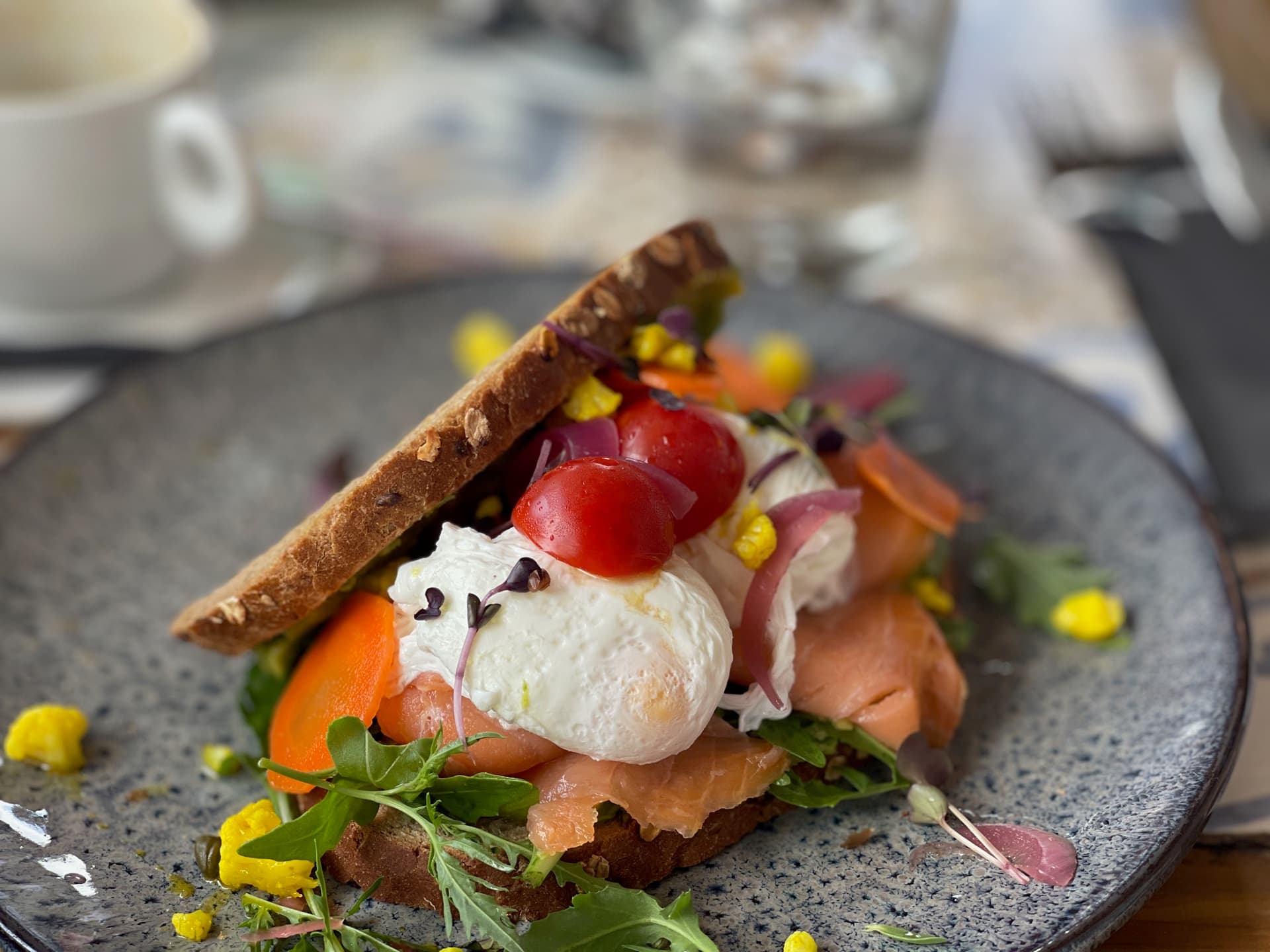
Eating in Curaçao is an adventure. You can have traditional Krioyo stew for lunch at a communal table in a former market hall, sip cocktails at a rooftop bar overlooking the harbour, snack on pastechi from a roadside stand, and end the evening with fine dining in a restored colonial mansion. The island's food scene punches well above its weight — and you'll want to bring your appetite.

Krioyo Cuisine — The Soul of the Island

Krioyo Cuisine — The Soul of the Island

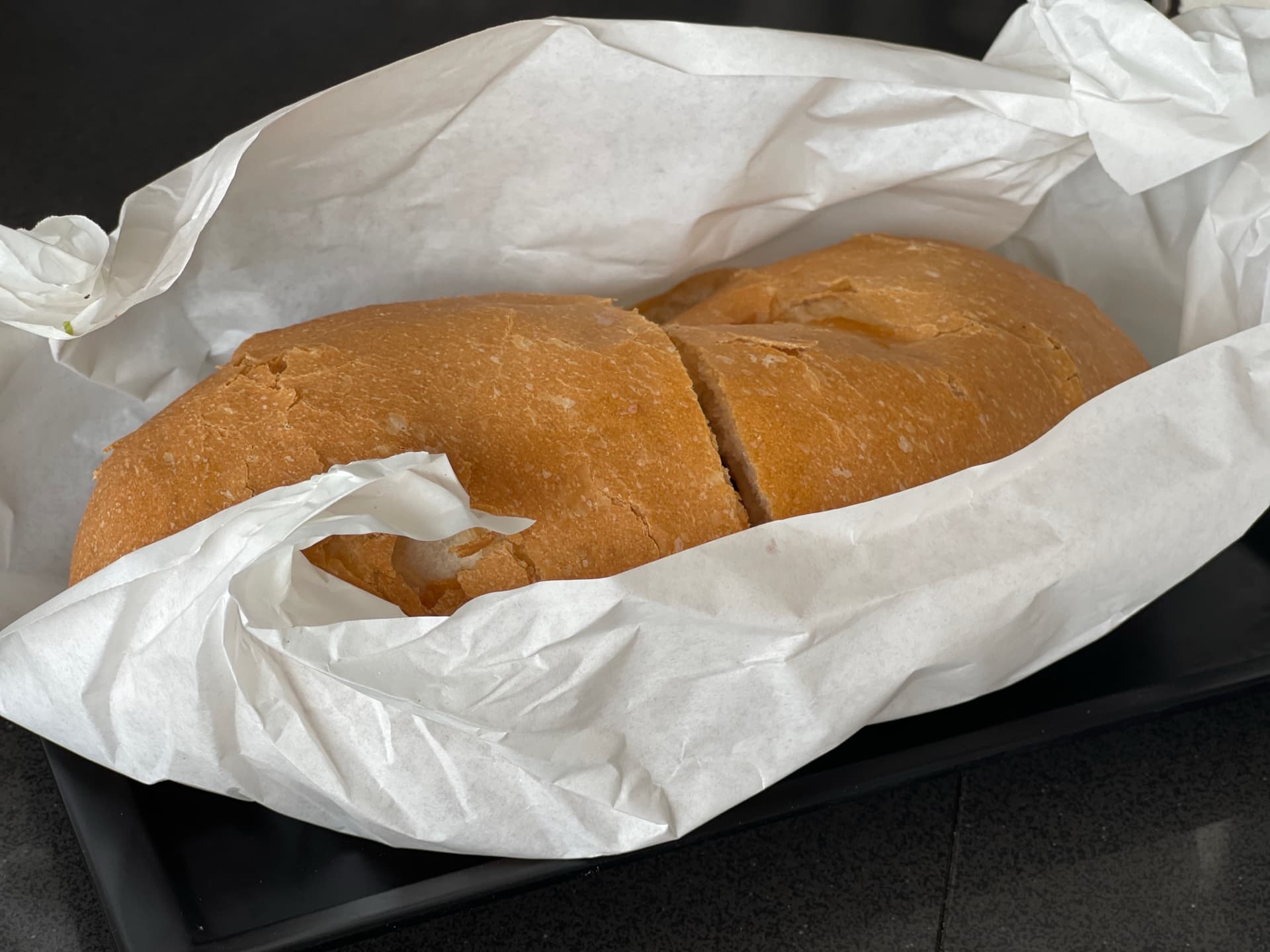
Krioyo (Creole) cooking is the foundation of Curaçao's food culture. These are the dishes grandmothers have been making for generations: karni stobá (slow-cooked beef stew), kabritu stobá (goat stew so tender it falls apart), piska kora (crispy fried red snapper), and sopi di piska (rich fish soup). Every dish comes with funchi — a dense, savoury cornmeal cake that's the Curaçaoan equivalent of bread. You'll also find tutu (mashed black-eyed peas), banana hasa (fried plantain), and yuana stobá (iguana stew — yes, really, and it's surprisingly good). The flavours are deep, earthy, and comforting. Krioyo food is home cooking elevated to an art form.
Plasa Bieu — Willemstad's Legendary Food Hall

Plasa Bieu (Old Market) in Punda is where locals have been eating lunch since forever. The former covered market hall now houses six open-kitchen restaurants serving the freshest Krioyo food on the island. There are no menus on the wall — you walk up to the counter, point at what looks good, and sit down at one of the communal tables. The ladies behind the counter will pile your plate high with stew, rice, funchi, and fried plantain for about $8–12. Try the kadushi (cactus soup), the bakijou (salt cod fritters), or the famous arepa di pampuna (sweet pumpkin pancake). Cash only. Come at noon when everything is fresh and the place is buzzing with local office workers and taxi drivers. This is not a tourist trap — it's the real deal.

Fresh Seafood

Fresh Seafood

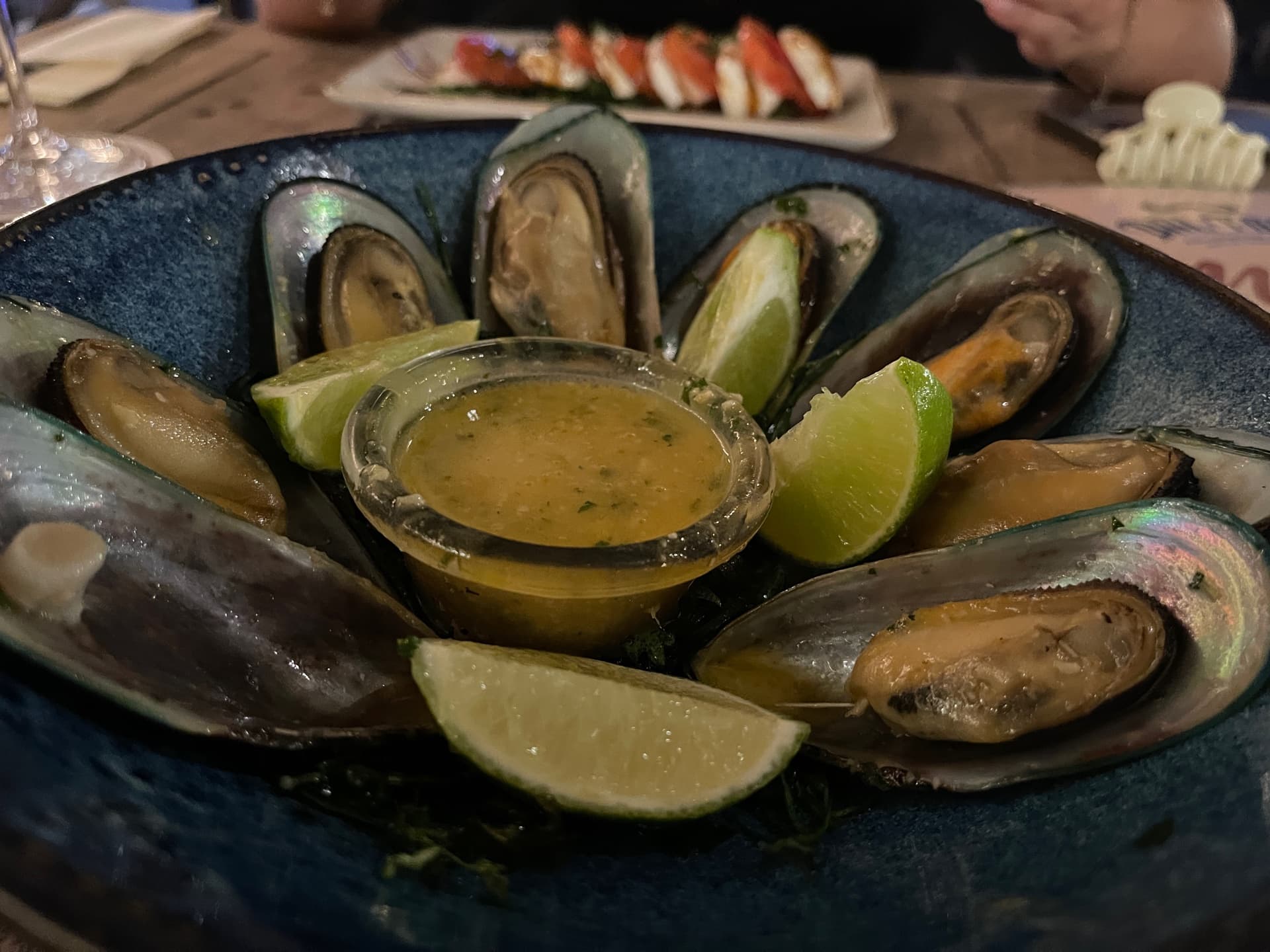
Surrounded by Caribbean waters teeming with life, Curaçao's seafood is extraordinary. Red snapper, wahoo, mahi-mahi, and lobster are caught daily and served grilled, fried, or in rich Creole sauces at restaurants across the island. Jaanchie's in Westpunt is a legendary spot — the owner cooks whatever the fishermen bring in that morning. Pop's Place on Caracas Bay serves the freshest catch in a beachfront setting. Seaside Terrace on Marie Pampoen Beach is run by a working fisherman, and the kitchen is literally in a converted shipping container — no frills, but the fish doesn't get any fresher. For a fancier experience, Gouverneur de Rouville in Otrobanda and Kome in Pietermaai serve elevated seafood dishes in stunning colonial settings.

Blue Curaçao Liqueur

Blue Curaçao Liqueur

The story of Blue Curaçao begins with a fruit called the Laraha — a bitter orange that Spanish colonists brought to the island in the 1500s. The Seville oranges failed to produce edible fruit in the dry climate and evolved into the Laraha, which is too bitter to eat but has an incredibly aromatic peel. In the 19th century, the Senior family discovered they could distil the Laraha peel into a fragrant liqueur. The signature blue colour was added later as a marketing masterstroke. Visit Landhuis Chobolobo, the atmospheric plantation house where the Senior family still produces the authentic Curaçao Liqueur, for a tour and tasting. You'll learn the full history, see the distillation process, and sample different colours and flavours — all made from the same Laraha peel.

Street Food & Snacks

Street Food & Snacks

Curaçao's street food is addictive. Pastechi are the island's answer to empanadas — crescent-shaped fried pastries filled with cheese, ham, tuna, or spiced meat. You'll find them at every snack bar and gas station, and they're the standard breakfast on the go. Arepa di pampuna (sweet pumpkin pancake) is another morning favourite. For lunch, try a broodje (Dutch-style sandwich) with chicken satay and peanut sauce — the Indonesian influence shows here. Batido is a thick fruit smoothie blended to order from fresh mango, papaya, or passion fruit. And don't miss bitterballen — crispy Dutch croquettes served with mustard — at any bar. The best snack bars ('truk di pan' or bread trucks) park along main roads and near beaches.

💡 Tip: Ask any local for their favourite truk di pan. Each one has a loyal following.

Where to Eat — Our Top Picks

Where to Eat — Our Top Picks

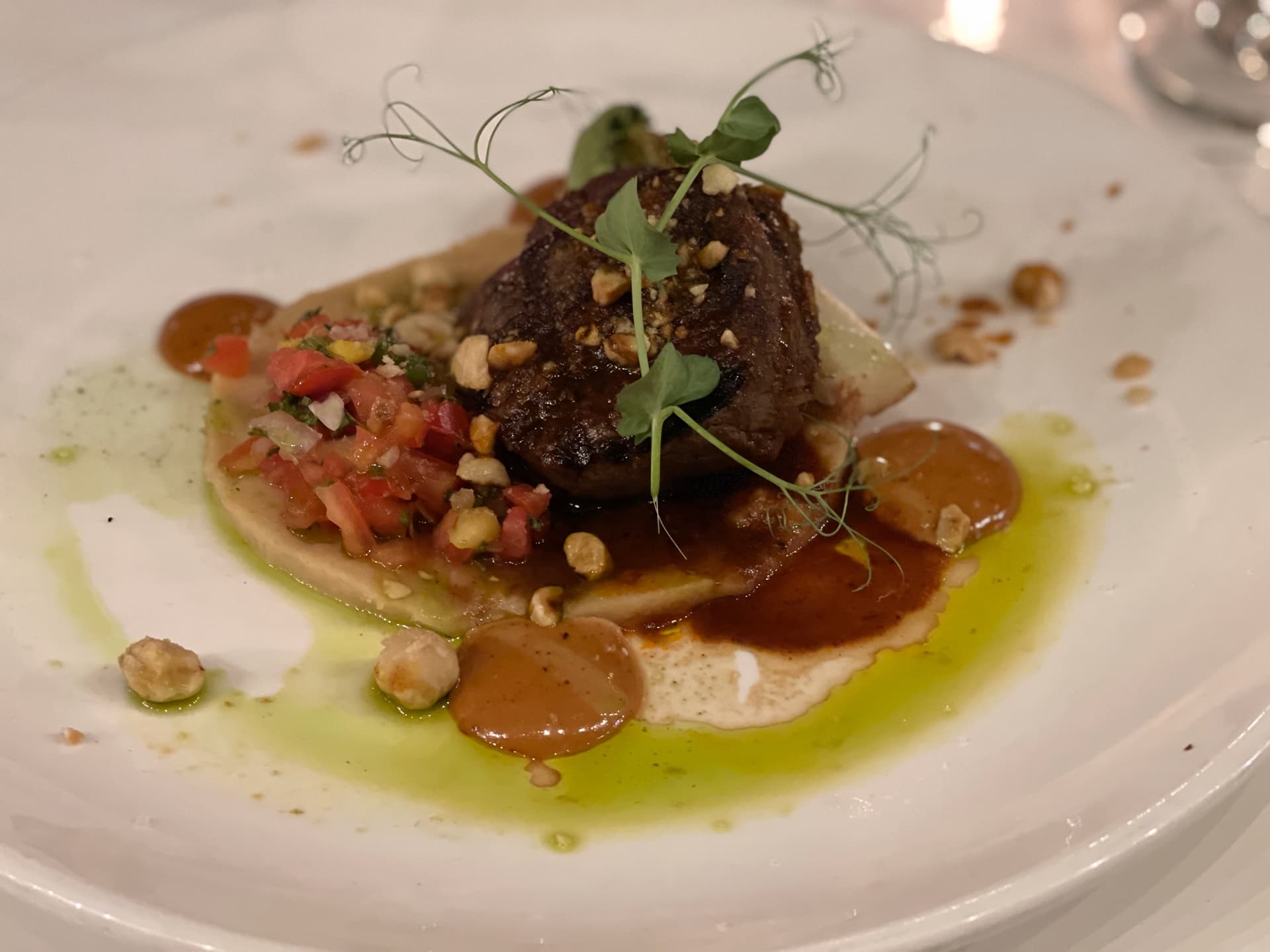
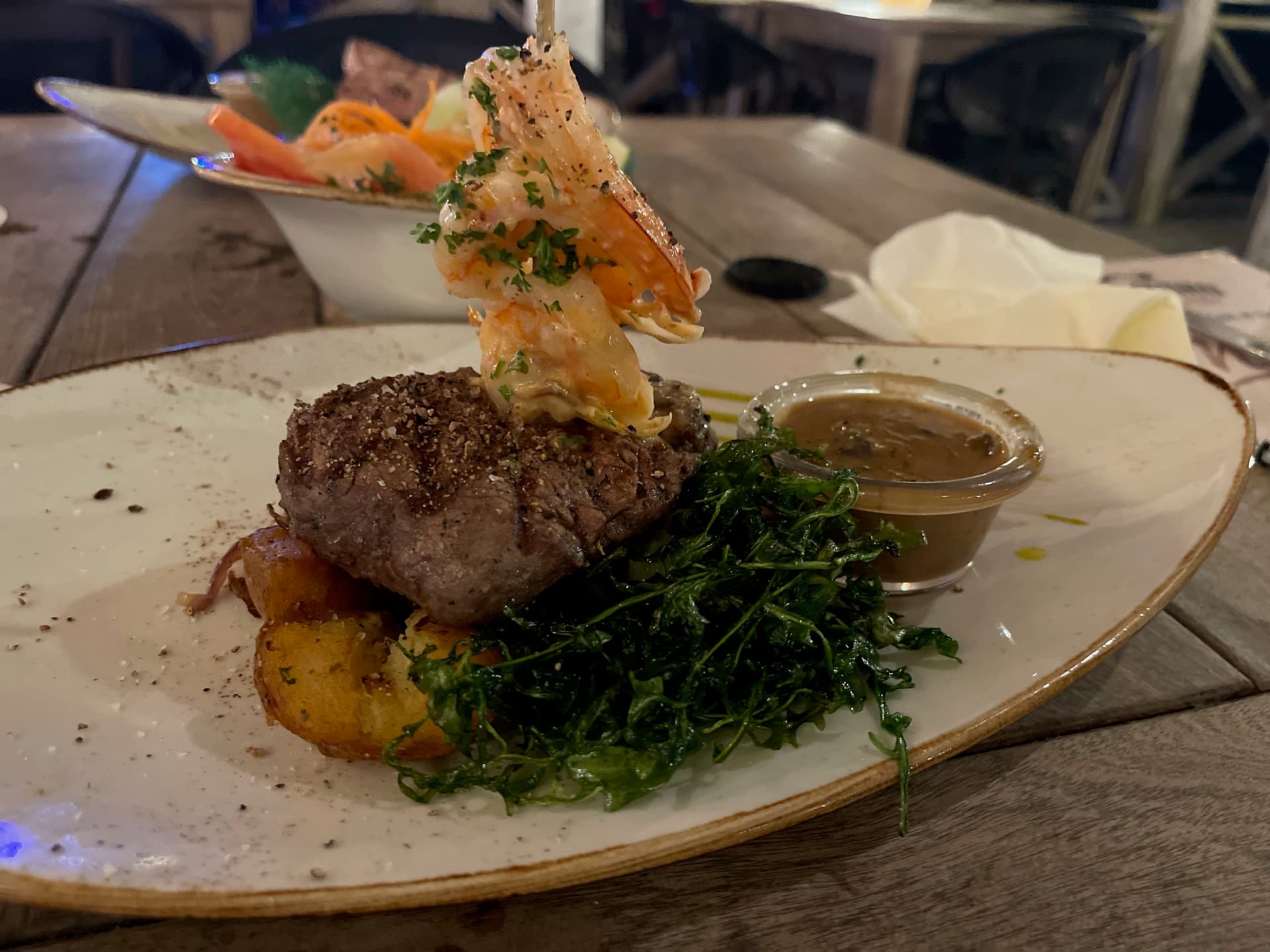
Curaçao's restaurant scene has exploded in recent years. Pietermaai is the epicentre: Kome serves what many consider the best food on the island, Ginger offers creative Asian fusion, and Mundo Bizarro brings Cuban flair with salsa nights. In Punda, the waterfront Gouverneur de Rouville has a terrace overlooking the Queen Emma Bridge. In Westpunt, Jaanchie's has been serving fisherman's lunches for decades. Bario Food Yard in Otrobanda is an open-air food court with diverse stalls — perfect for groups who can't agree on one cuisine. For fine dining, try Fort Nassau for panoramic harbour views, or Restaurant Koraal at the Curaçao Marriott for upscale Caribbean cuisine.

Drinks & Cocktails

Drinks & Cocktails

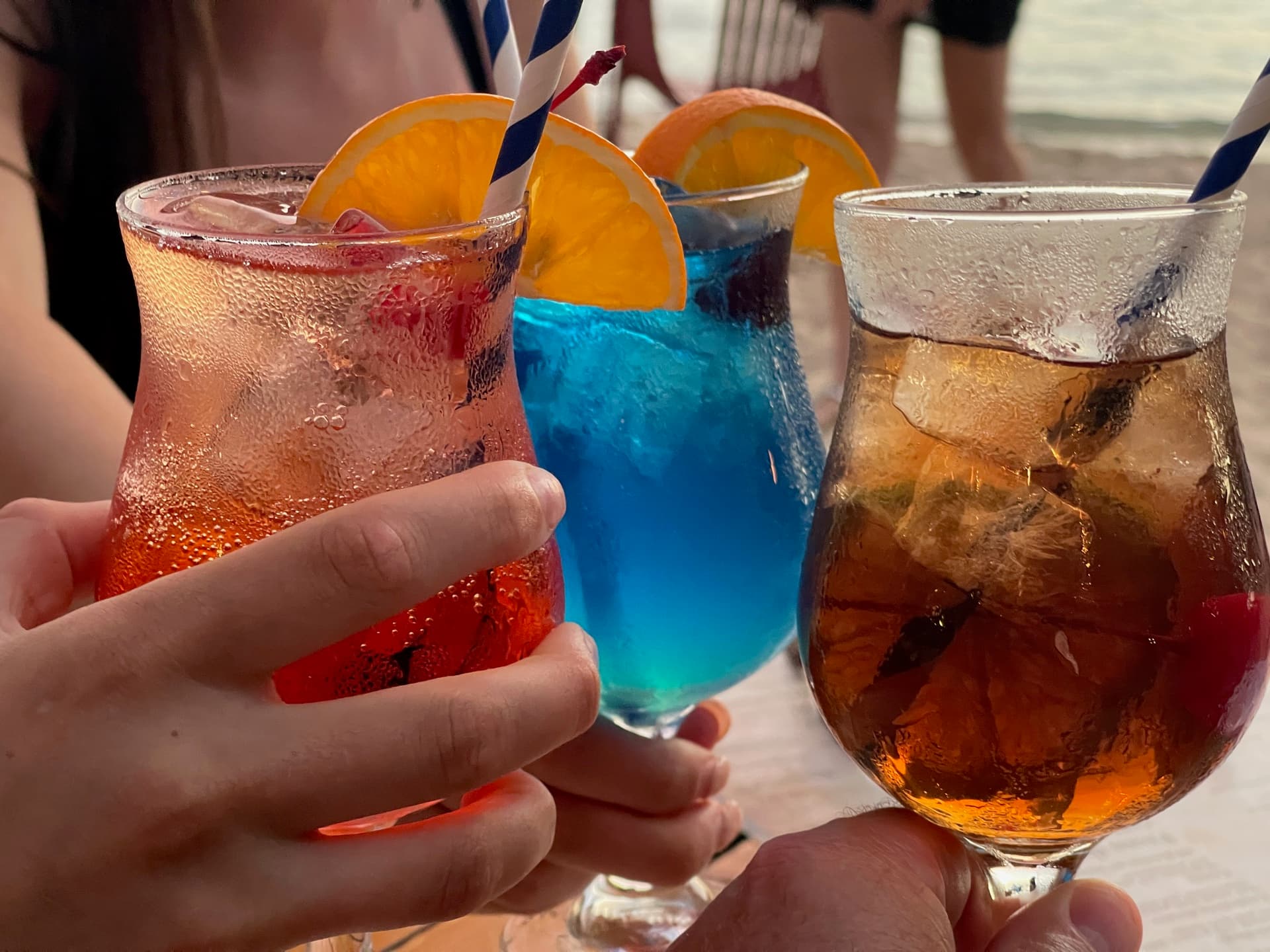
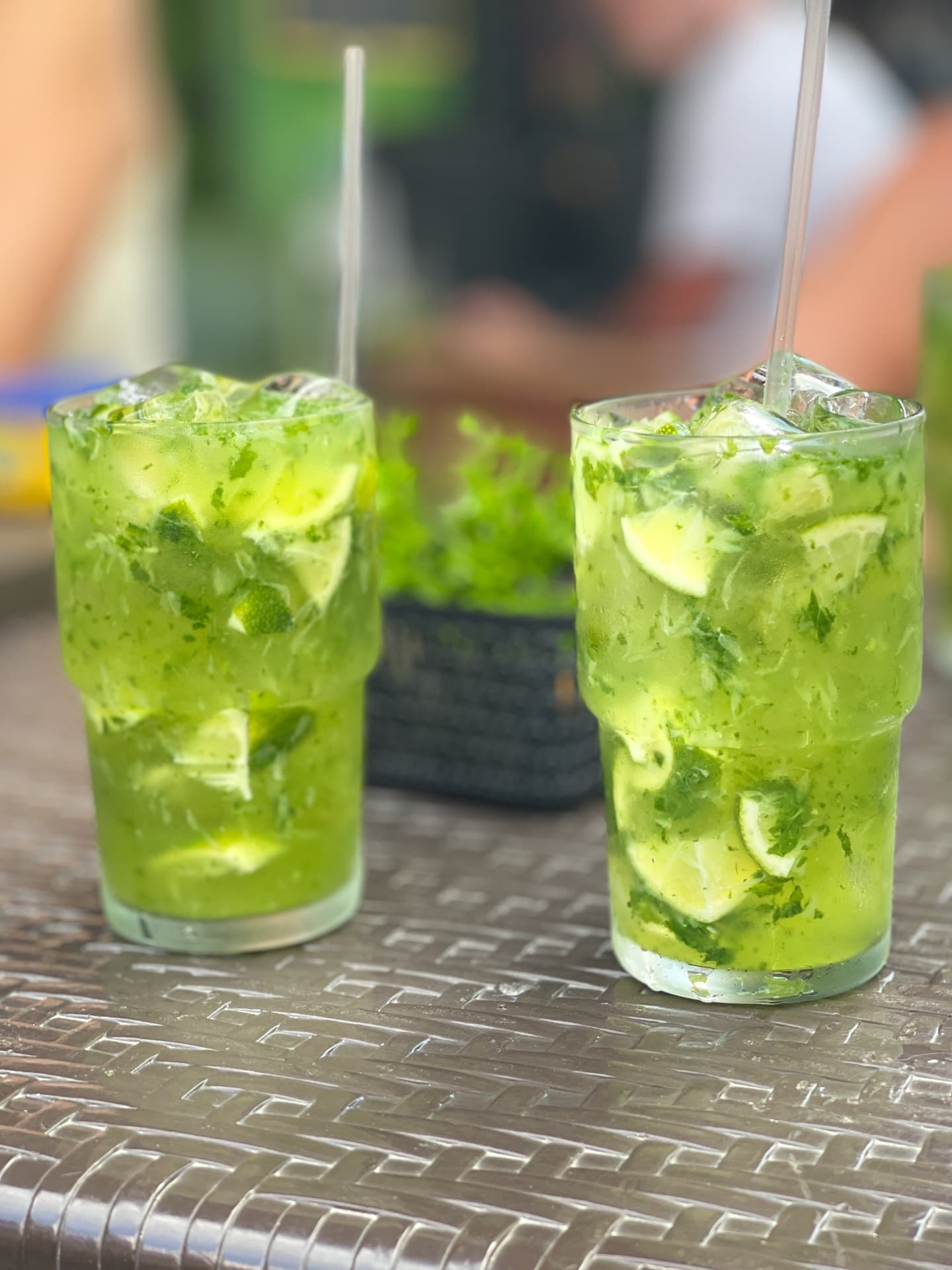
Beyond Blue Curaçao, the island has a thriving drinks scene. Amstel Bright — a light lager brewed specifically for the Caribbean — is the local beer of choice. Awa di Lamunchi (fresh lemonade) is the default refreshment. For cocktails, the waterfront bars of Pietermaai and Mambo Beach serve everything from classic mojitos to creative Blue Curaçao concoctions. Cascade rooftop bar has the best sunset views. Saint Tropez Ocean Club combines infinity pool vibes with DJ sets and craft cocktails. And for something truly local, try a 'Ponche Kòrsou' — a creamy, spiced rum punch that's the island's unofficial Christmas drink but available year-round.

Truk'i Pan — Curaçao's Legendary Food Trucks

Truk'i Pan — Curaçao's Legendary Food Trucks

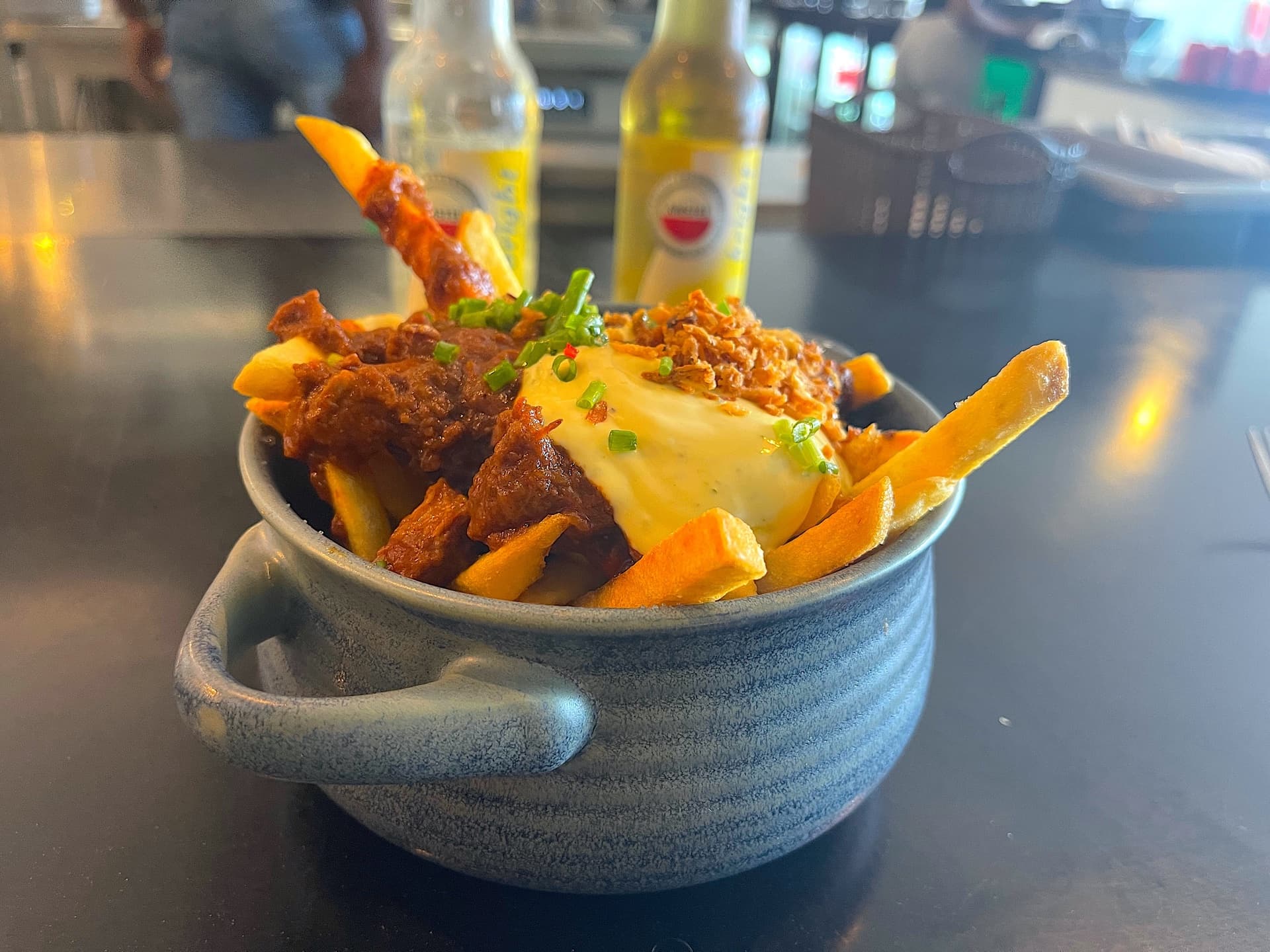
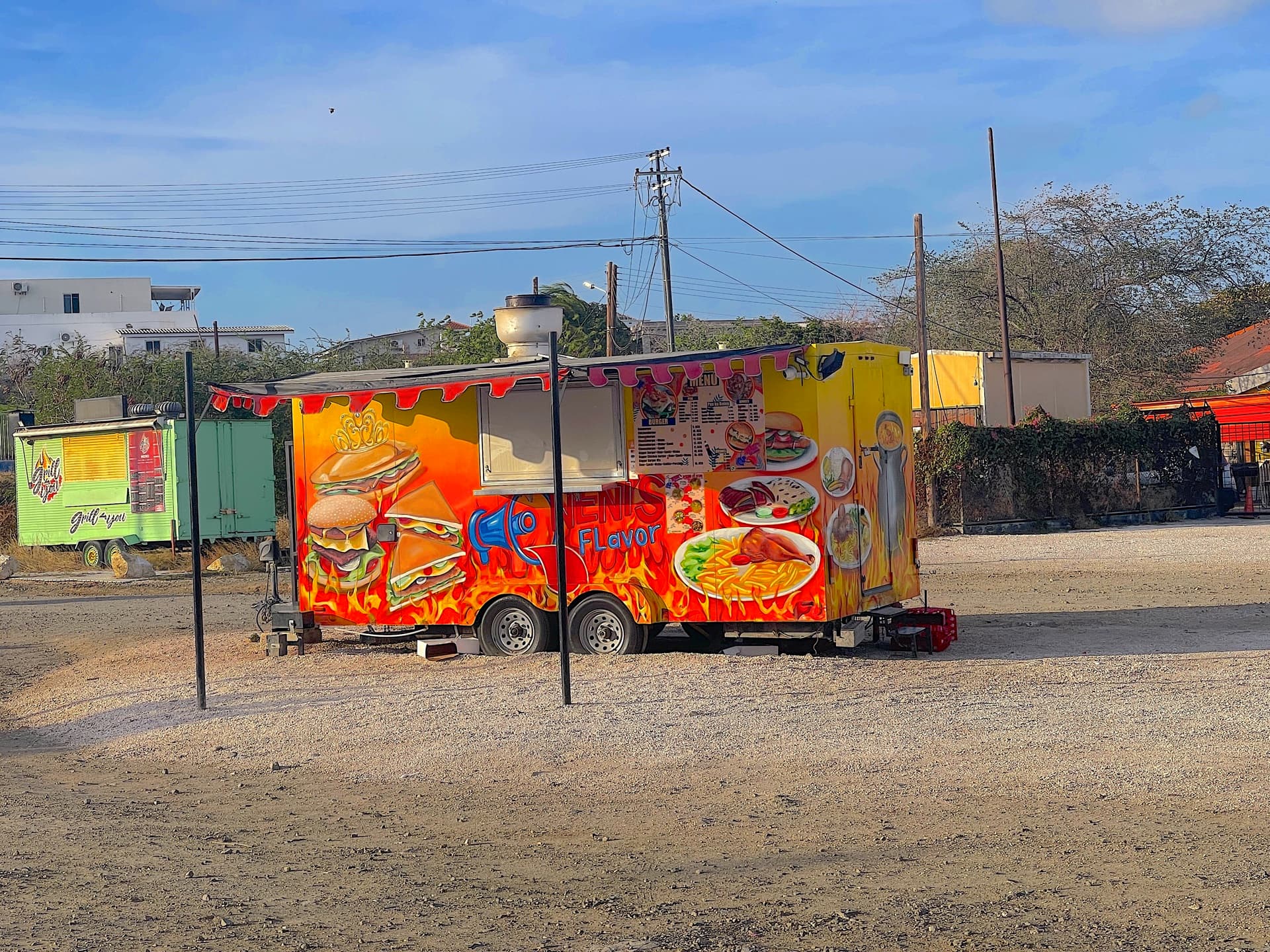
Long before food trucks became trendy in Europe and the US, Curaçao had its truk'i pan — literally 'bread trucks' — serving sizzling barbecue from roadside trailers after dark. The scene comes alive around 10 PM when charcoal fires light up the night and the unmistakable smell of grilled meat drifts across the neighbourhoods. Every truk'i pan grills over open karbon (charcoal), giving the meat a smoky depth you won't find in any restaurant. The star order is 'pan ku steak' — a warm bread roll stuffed with braised steak, dripping with juices, paired with soft-fried fries and a scoop of macaroni salad. Chicken, ribs, and lomito (tenderloin) round out the menu. The atmosphere is pure Curaçao: locals in flip-flops leaning against their cars, kids running around, reggaeton from a car stereo, and the cook working the grill with practised ease. It's the island's original late-night gathering ritual — unpretentious, delicious, and deeply communal. BBQ Express on Caracasbaaiweg near Jan Thiel is considered the king of truk'i pans, but every neighbourhood has its loyal favourite.

💡 Tip: Go after 10 PM — most truk'i pans don't open before that. Try 'pan ku steak' with macaroni salad. Bring cash — most are cash-only. BBQ Express and the trucks on Rooseveltweg near Salinja are the best-known spots.

Eating Through Willemstad — A Neighbourhood Food Guide

Eating Through Willemstad — A Neighbourhood Food Guide

Each of Willemstad's neighbourhoods has its own culinary personality, making the capital a food lover's dream within walking distance. In Punda, the historic heart, you'll find Marshe di Plasa (the Old Market) where local women cook Krioyo dishes in open kitchens — it's loud, steamy, and the most authentic lunch in town. Around the corner, the waterfront terrace of Gouverneur de Rouville serves Caribbean-European fusion overlooking the Handelskade. Cross the Queen Emma Bridge to Otrobanda, where Kura Hulanda Village hides gems like Caleo with its creative raw bar, and Bario Food Yard — an open-air food court with stalls ranging from Venezuelan arepas to Japanese ramen. Pietermaai, the restored colonial quarter turned food destination, is where the island's culinary ambitions shine brightest. Walk its cobblestoned streets and you'll pass Kome (wood-fired Caribbean cuisine), Sal The Kitchen (fine dining with ocean views), and Mundo Bizarro (Cuban cocktails and salsa). Even overlooked Scharloo is emerging, with coffee roasters and brunch spots opening in its grand old villas.

💡 Tip: Thursday night is 'Punda Vibes' — the neighbourhood fills with food stalls, live music, and fireworks at 8:15 PM. It's the best night to eat your way through the city.

Purunchi & the Hidden Fish Restaurants by the Water Factory

Behind the Aqualectra desalination plant on the road between Otrobanda and Piscadera lies one of Curaçao's best-kept culinary secrets: a cluster of tiny fish restaurants where local fishermen sell their catch directly to the cook. Purunchi Koredor is the most famous — a bare-bones eatery with just a handful of tables where the fish is cleaned in the back and fried or stewed to order in the front. There's no printed menu; you eat what the sea provided that morning. The red snapper with funchi and tutu is legendary among locals, and the fish soup is a soul-warming bowl of pure island flavour. The setting is wonderfully unpolished — plastic chairs, a corrugated roof, fishing boats bobbing in the harbour next door — but the freshness and flavour of the fish surpass most upscale restaurants on the island. Purunchi is lunch-only (roughly noon to 4 PM) and once the fish runs out, they close. It's the kind of place that reminds you why the best food in the world is often the simplest.

💡 Tip: Arrive by noon for the best selection — popular items sell out early. Cash only. Ask for the 'fish of the day' and trust the cook. The drive from Willemstad centre takes five minutes.

This is for you if…

  • Food-curious travellers who want to eat where locals eat
  • People who enjoy street food and food halls
  • Travellers open to trying goat stew, iguana, and salt cod
  • Anyone wanting to taste real Blue Curaçao at the source

This is NOT for you if…

  • Strict vegans (options exist but are limited — most Krioyo dishes contain meat)
  • Travellers who only eat in resort restaurants
  • People expecting an Amsterdam/NYC fine-dining level at every venue

Also consider

Bonaire food scene

Smaller island, less variety, but similar Dutch Caribbean fusion.

Aruba dining

More international/touristy, less authentic Krioyo.

Curaçao wine & craft beer scene

Small but growing — ask for Amstel Bright and local Willemstad brewery pours.

Frequently asked questions

What is the national dish of Curaçao?+
Keshi Yena is widely regarded as the national dish — a hollowed-out Dutch Edam cheese filled with spiced meat stew and baked. It originated in plantation times when slaves repurposed cheese rinds and leftover meat, and evolved into a celebration dish. Most Krioyo restaurants serve it.
Is it safe to eat street food in Curaçao?+
Yes. The truk'i pan food trucks and Plasa Bieu food hall are held to the same hygiene standards as restaurants. Look for trucks with steady lines of locals — that's the mark of good, high-turnover food.
Where can I try real Blue Curaçao liqueur?+
Landhuis Chobolobo on the outskirts of Willemstad is the only place on Earth where authentic Blue Curaçao is distilled. They offer daily tours including a tasting of the liqueur in all colour variants. The flavour is the same across colours — only the dye differs.
What is Krioyo cuisine?+
Krioyo (Creole) is Curaçao's native cuisine, a blend of West African, Dutch, Spanish, and indigenous Arawak influences. Signature dishes include karni stobá (beef stew), kabritu stobá (goat stew), piska kora (fried red snapper), funchi (cornmeal cake) and sopi di piska (fish soup).
What is Plasa Bieu?+
Plasa Bieu (Old Market) is a covered food hall in Punda, Willemstad, where six open-kitchen stalls serve authentic Krioyo meals from roughly 11 AM to 3 PM. No menus — you point at what looks good. Expect to pay USD 8–12 for a full plate. Cash only.
Can I find vegetarian food on Curaçao?+
Yes, though Krioyo cuisine is meat-heavy. Pietermaai has several vegetarian-friendly restaurants, and supermarkets (Centrum, Van Den Tweel) stock plant-based products. Most restaurants will adapt a dish on request; ask for "sin karni" (no meat).

About our Seafari safaris

How do I book a Seafari tour?+
Book directly on seafariadventurescuracao.com — select your tour, pick a date, fill in your details, pay securely, and receive instant confirmation. No booking fees. Cruise passengers: we match your ship schedule and guarantee on-time return.
What's included in a Seafari tour?+
All our tours include professional snorkeling equipment, drinks (soft drinks, beer, signature Seafari cocktail), snacks or lunch depending on the tour, sun shade on the boat, and a multilingual guide. Snorkel vests are free on request. You only bring swimwear, towel, and sunscreen.
What if the weather is bad?+
Our Rupert 50 RIB handles moderate chop comfortably. For genuinely dangerous weather we reschedule or refund 100%. You get a call by 7 AM on the tour day if we need to adjust. Curaçao weather is stable year-round — cancellations happen less than 5% of the year.
Is Seafari suitable for children?+
Yes. Children 6+ are welcome on all standard tours. The boat has stable RIB hulls (no seasickness for most), life vests in all sizes, and our guides are trained in family snorkel introductions. For children under 6 we recommend a private charter for flexibility.
Can I book a private charter?+
Yes — the Rupert 50 is available for private charter for groups of 2-36. Design your own route, pick your own stops, set your own pace. Contact us via the Private Charter form and we'll quote a fixed price within 24 hours.
What's the cancellation policy?+
Free cancellation up to 48 hours before departure — full refund, no questions asked. Within 48 hours: 50% refund. If WE cancel (weather, mechanical, safety): 100% refund or free reschedule. Travel insurance is recommended for cruise passengers.

Discover it by boat

The best way to experience Curaçao's coastline is from the water. Our sea safaris take you to the island's most beautiful spots — places you can only reach by boat.

View Our Tours