Back to Travel Guide

Nature & Wildlife of Curaçao

Beyond the beaches, Curaçao hides a surprisingly diverse natural landscape — rugged national parks, ancient caves, flamingo-filled salt pans, and a dramatic north coast where the Atlantic crashes against limestone cliffs.

Most visitors come to Curaçao for the beaches, but the island rewards those who venture inland. Two national parks protect the island's biodiversity, from the endangered white-tailed deer to flocks of Caribbean flamingos. The north coast is a dramatic landscape of sea caves, natural bridges, and blowholes. And the hiking — from easy coastal trails to the challenging ascent of Mount Christoffel — is some of the best in the Caribbean.

Christoffel National Park

Christoffel National Park

At 1,800 hectares, Christoffel National Park is Curaçao's largest protected area, formed from three former plantation estates. The park is a haven of biodiversity: 450 plant species, 168 bird species, the rare Curaçao white-tailed deer, and iguanas sunning themselves on every rock. Eight hiking trails wind through the park, ranging from gentle coastal strolls to the challenging ascent of Mount Christoffel — at 372 metres, the island's highest point. The summit hike takes 2–3 hours and rewards with panoramic views of the entire island, and on clear days, neighbouring Bonaire and Venezuela. Start early (entry from 6 AM, last admission for the mountain trail at 10 AM) — the heat builds fast. The park also features the Savonet Museum, housed in a restored 18th-century plantation house, with exhibits on the island's natural and cultural history. Don't miss the Caquetío cave paintings along the northern car route — ancient petroglyphs left by the island's original inhabitants over 1,500 years ago.

Shete Boka National Park

Shete Boka National Park

Shete Boka ('Seven Inlets') protects the wild, windswept north coast of Curaçao — a stark contrast to the calm beaches of the south. Here, the Atlantic Ocean crashes into limestone cliffs with enormous force, creating sea caves, blowholes, and natural bridges. The park's star attraction is Boka Tabla, where steps carved into the rock lead you into the mouth of a massive sea cave — you sit on the edge and watch enormous waves thunder into the cavern just metres away. At Boka Pistol, waves are forced through a narrow rock opening, shooting water into the air with a sound like a cannon shot. During strong swells, the spectacle is genuinely awe-inspiring. Between May and December, endangered sea turtles (loggerhead, green, and hawksbill) come ashore on the park's small beaches to lay their eggs. Shete Boka is adjacent to Christoffel Park — combine both in a single morning for an unforgettable north-coast experience.

Hato Caves

Hato Caves

Hidden beneath the coral limestone near the airport, the Hato Caves are a 300,000-year-old underground world of stalactites, stalagmites, and ancient coral formations. The guided tour takes you through cathedral-sized chambers adorned with geological formations shaped over millennia. Highlights include Caquetío petroglyphs that are over 1,500 years old, underground pools reflecting the cave ceiling, and colonies of long-nosed fruit bats hanging from the stalactites. The cave system was once used as a hiding place by escaped enslaved people, adding a layer of human history to the geological wonder. It's one of the island's few rainy-day activities, though the cool cave temperature makes it a welcome escape from the heat any day.

Curaçao's Mangrove Parks

Curaçao's Mangrove Parks

Tucked between Willemstad and the southern bays, Curaçao's mangrove wetlands are a quiet surprise most visitors miss. Elevated wooden boardwalks wind through dense red-mangrove thickets over mirror-flat water. You'll spot yellow-crowned night herons perched on the roots or strolling the planks right in front of you, iguanas basking in the sun, moon jellies drifting under the surface, and if you're patient, the rare Caribbean parrot in the canopy above. The parks are reachable from the Rif / Jan Thiel / Spanish Water area and are best visited in the early morning when the water is glass-calm and the birds are most active. Entry is usually free or donation-based.

💡 Tip: Bring mosquito spray and a camera with a zoom lens — the herons let you get surprisingly close, but the parrots stay high in the trees.

Flamingos at Jan Kok

The salt pans of Jan Kok, on the road between Willemstad and the west coast, are home to a colony of Caribbean flamingos that come to feed on the brine shrimp in the shallow, salty water. It's a surreal sight: dozens of bright pink flamingos standing in a shimmering pink lagoon with the arid cactus-covered hills behind them. The best viewing is from the roadside — bring binoculars or a telephoto lens. The flamingos are most active in the early morning and late afternoon. The nearby Landhuis Jan Kok, a restored plantation house, is worth a stop for its gallery and restaurant.

Wildlife of Curaçao

Wildlife of Curaçao

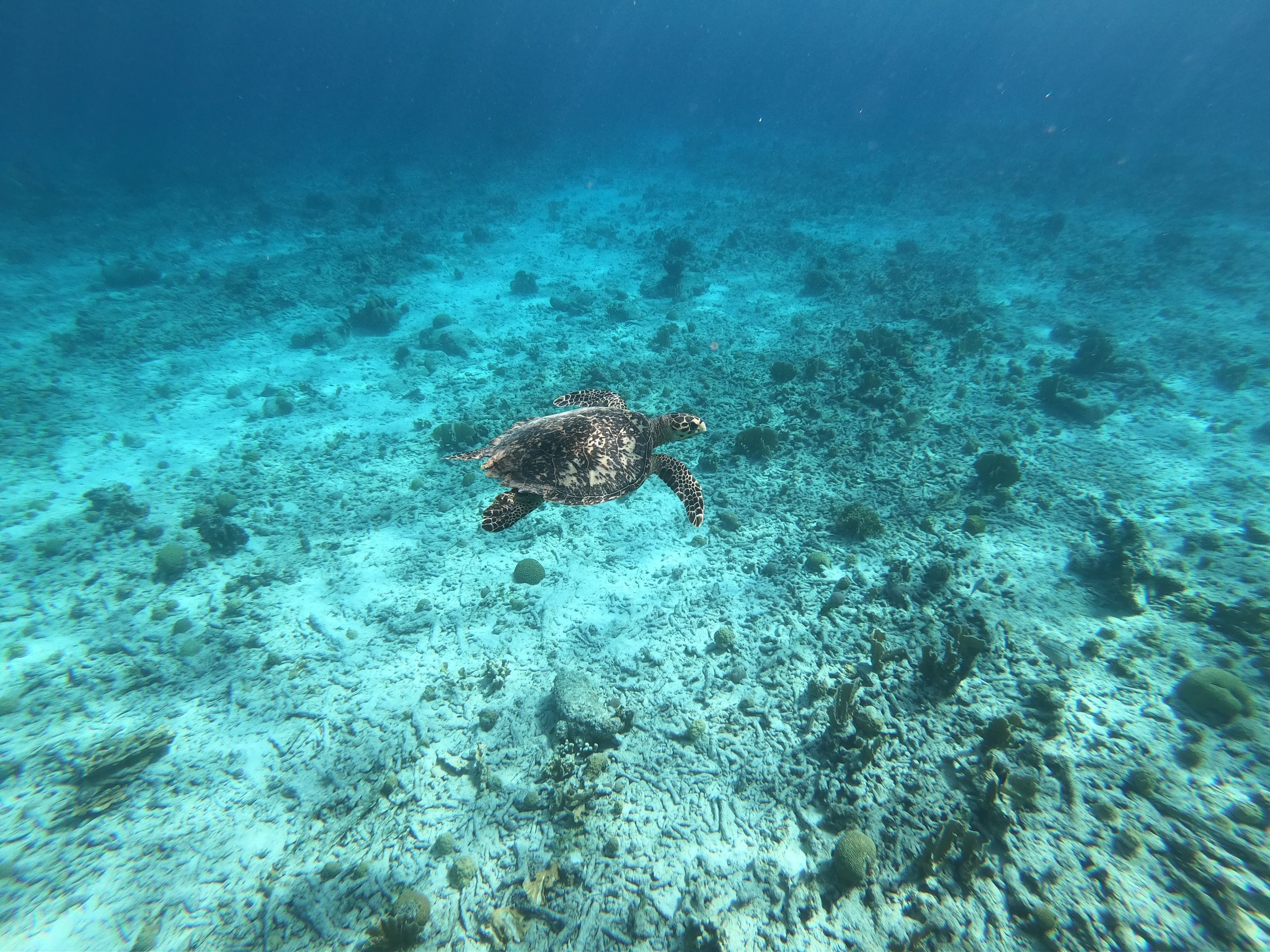
Curaçao's wildlife is smaller in scale than the rainforest islands of the Caribbean, but no less interesting. The Curaçao white-tailed deer is found only in Christoffel National Park — a rare subspecies that was nearly hunted to extinction. Green iguanas are everywhere, sunning on rocks and fences. The island is also a birdwatcher's paradise: look for the trupial (Curaçao's national bird, a striking black-and-orange oriole), the chuchubi (tropical mockingbird), the blenchi (hummingbird), Caribbean parakeets, and the shy barn owl. In the waters, dolphins are regularly spotted offshore — especially during boat tours along the west coast. And of course, the sea turtles: green turtles, hawksbill turtles, and during nesting season, loggerhead turtles laying eggs on the northern beaches.

The Cactus Landscape

The Cactus Landscape

Curaçao's interior will surprise anyone expecting tropical jungle. The island is semi-arid, and its landscape is dominated by three species of cactus: the towering kadushi (used in local soups), the candle-like datu, and the low-growing prickly pear (called infrou). Together with the divi-divi trees — permanently bent by the trade winds — they create a distinctive, almost otherworldly landscape. Drive the road from Willemstad to Westpunt and you'll pass through miles of this cactus-covered countryside, dotted with pastel-painted landhuizen (plantation houses) and roaming goats. It's a landscape unlike any other in the Caribbean.

About our Seafari safaris

How do I book a Seafari tour?+
Book directly on seafariadventurescuracao.com — select your tour, pick a date, fill in your details, pay securely, and receive instant confirmation. No booking fees. Cruise passengers: we match your ship schedule and guarantee on-time return.
What's included in a Seafari tour?+
All our tours include professional snorkeling equipment, drinks (soft drinks, beer, signature Seafari cocktail), snacks or lunch depending on the tour, sun shade on the boat, and a multilingual guide. Snorkel vests are free on request. You only bring swimwear, towel, and sunscreen.
What if the weather is bad?+
Our Rupert 50 RIB handles moderate chop comfortably. For genuinely dangerous weather we reschedule or refund 100%. You get a call by 7 AM on the tour day if we need to adjust. Curaçao weather is stable year-round — cancellations happen less than 5% of the year.
Is Seafari suitable for children?+
Yes. Children 6+ are welcome on all standard tours. The boat has stable RIB hulls (no seasickness for most), life vests in all sizes, and our guides are trained in family snorkel introductions. For children under 6 we recommend a private charter for flexibility.
Can I book a private charter?+
Yes — the Rupert 50 is available for private charter for groups of 2-36. Design your own route, pick your own stops, set your own pace. Contact us via the Private Charter form and we'll quote a fixed price within 24 hours.
What's the cancellation policy?+
Free cancellation up to 48 hours before departure — full refund, no questions asked. Within 48 hours: 50% refund. If WE cancel (weather, mechanical, safety): 100% refund or free reschedule. Travel insurance is recommended for cruise passengers.
Discover it by boat

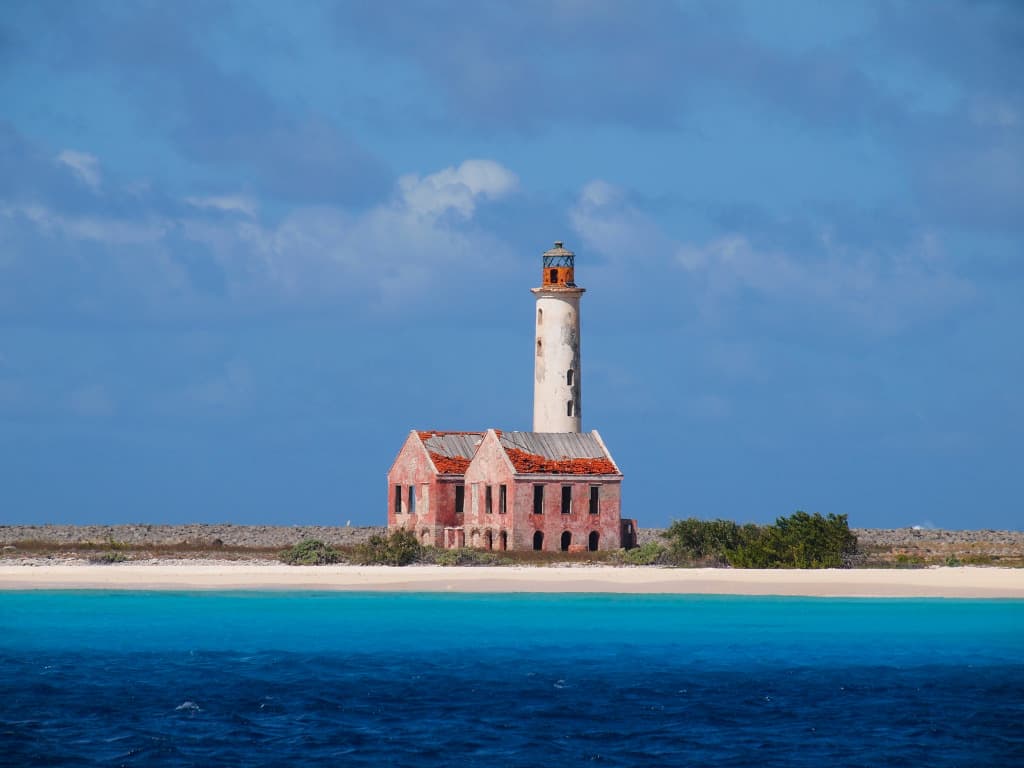
The best way to experience Curaçao's coastline is from the water. Our sea safaris take you to the island's most beautiful spots — places you can only reach by boat.

View Our Tours