Back to Travel Guide

Snorkelling & Diving in Curaçao

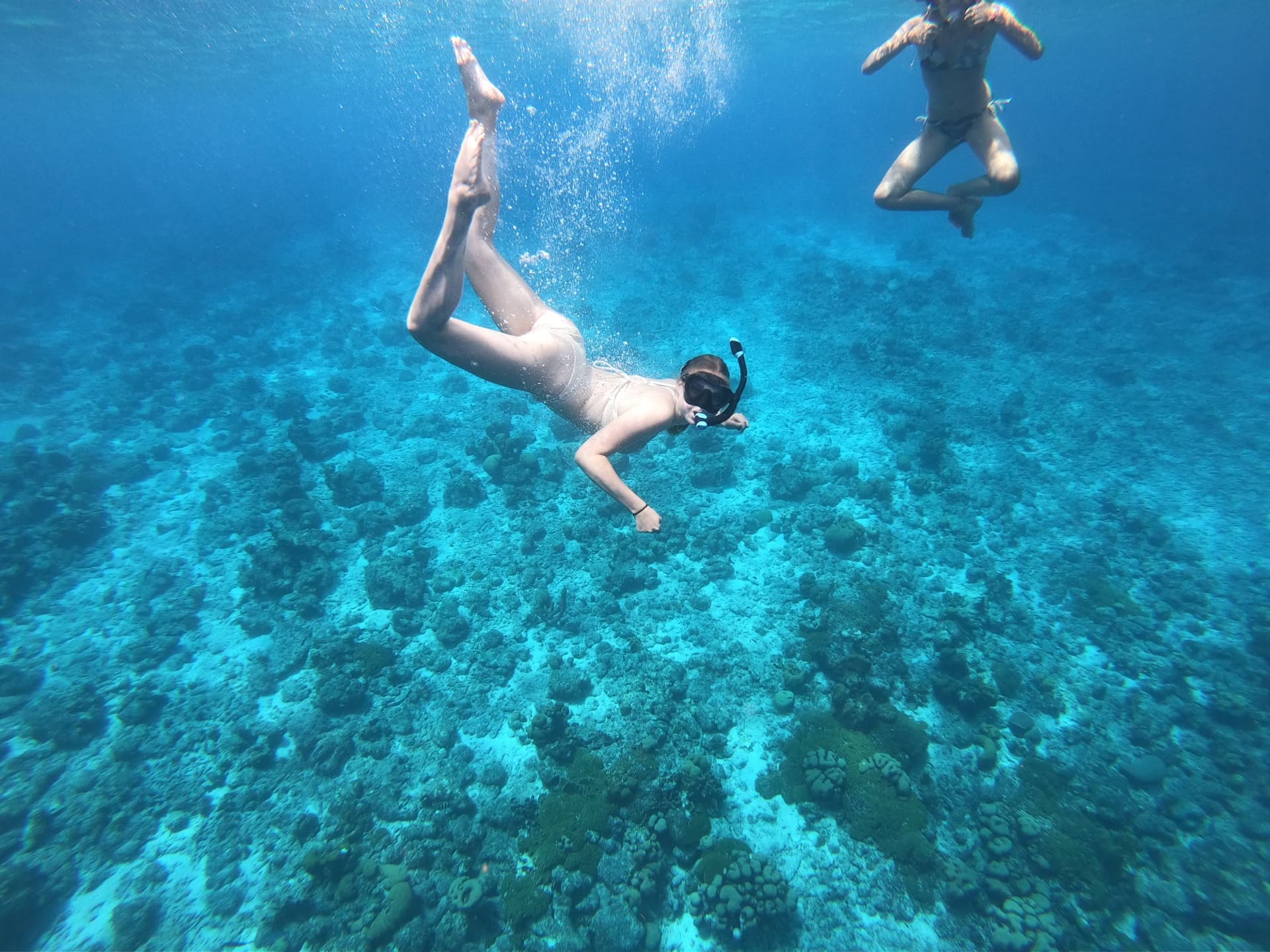
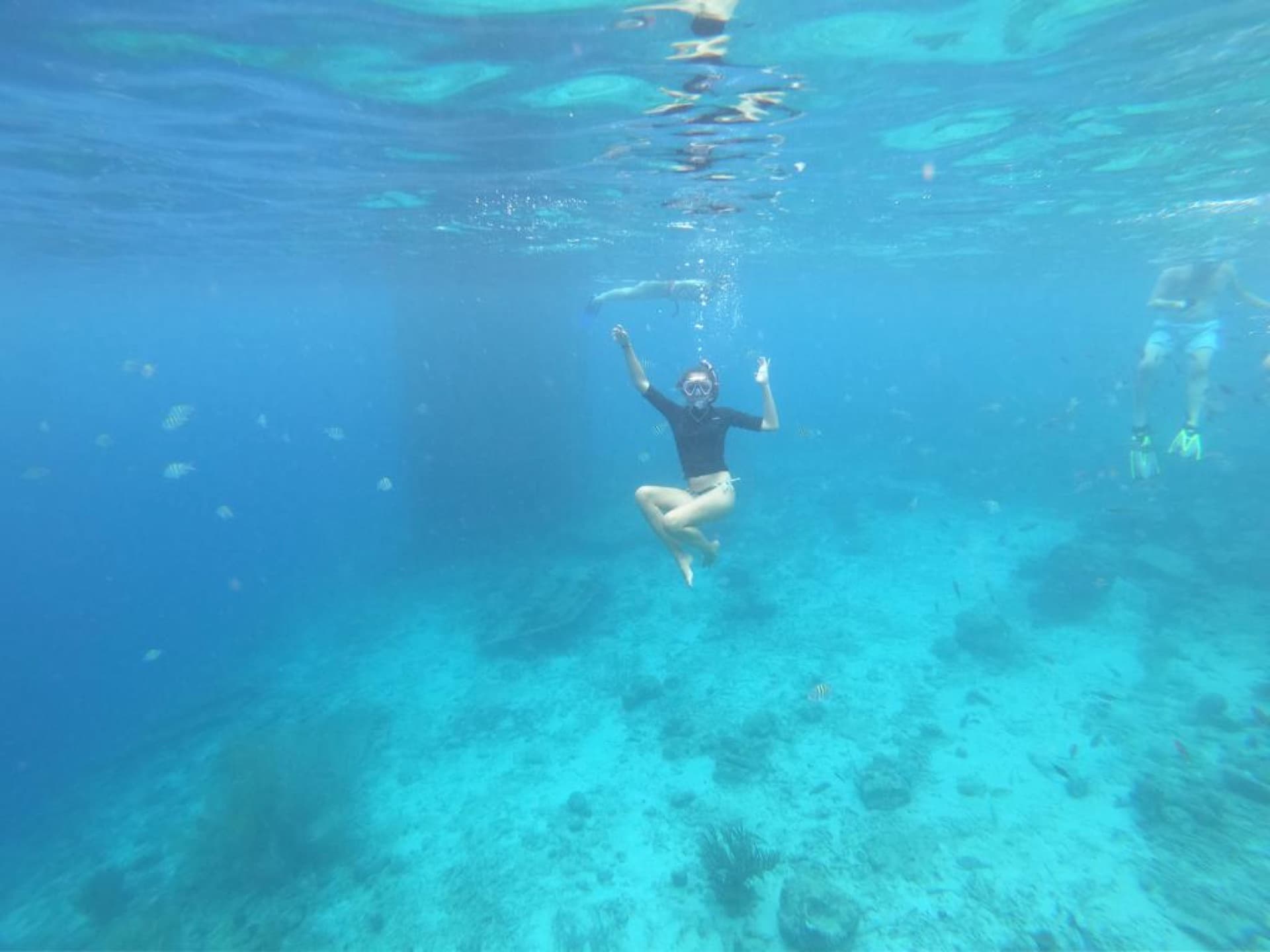
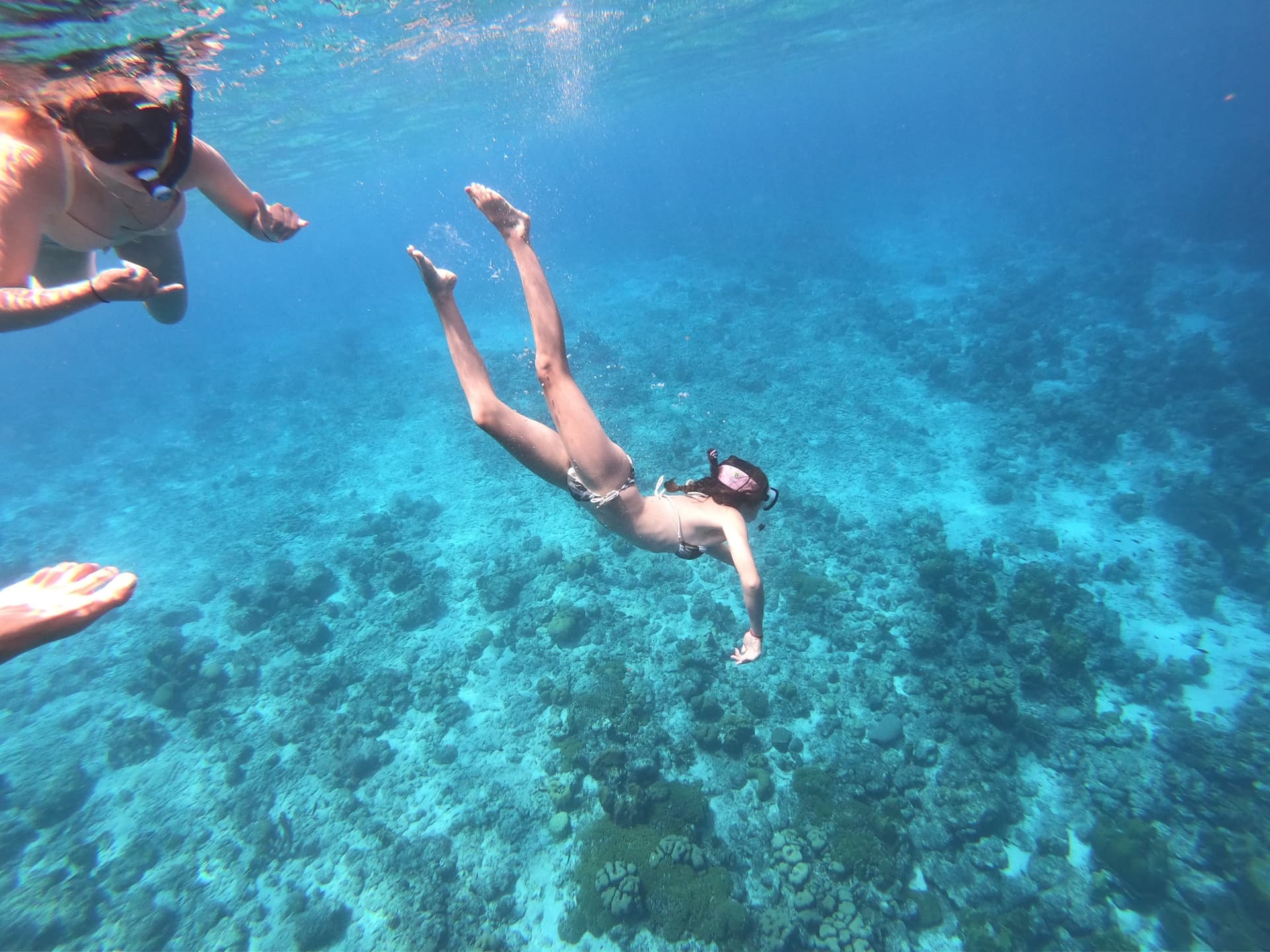
Curaçao is a world-class underwater destination. With over 70 dive sites, 65 coral species, and 350+ fish species, the island's reef system is one of the healthiest in the Caribbean. What makes Curaçao special is that most of this underwater wonderland is accessible directly from the beach — no boat ride needed.

The island's south and west coast is protected from the Atlantic swells by the island itself, creating calm conditions ideal for snorkelling and diving year-round. Water temperatures hover between 26°C and 29°C, visibility regularly exceeds 30 metres, and the reef starts within swimming distance of most beaches. Whether you're a first-time snorkeller floating over a coral garden or a certified diver exploring the wreck of the Superior Producer at 30 metres, Curaçao has a site for you.

All snorkel spots on the map

30 locations · Click markers for details · Map © OpenStreetMap

What You'll See Underwater

Curaçao's waters are managed by the CARMABI Marine Park, which protects over 21 kilometres of reef. The biodiversity is remarkable.

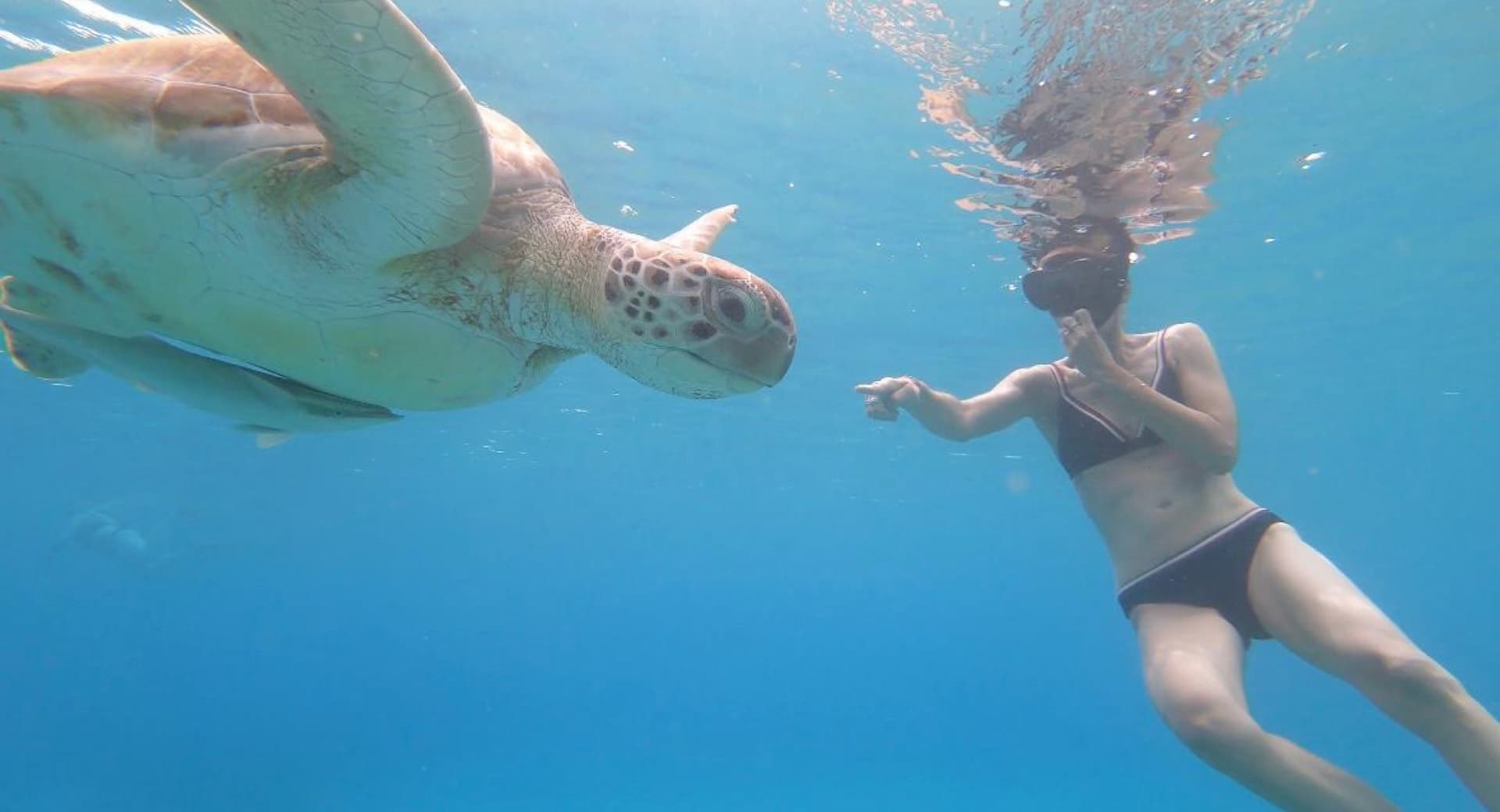
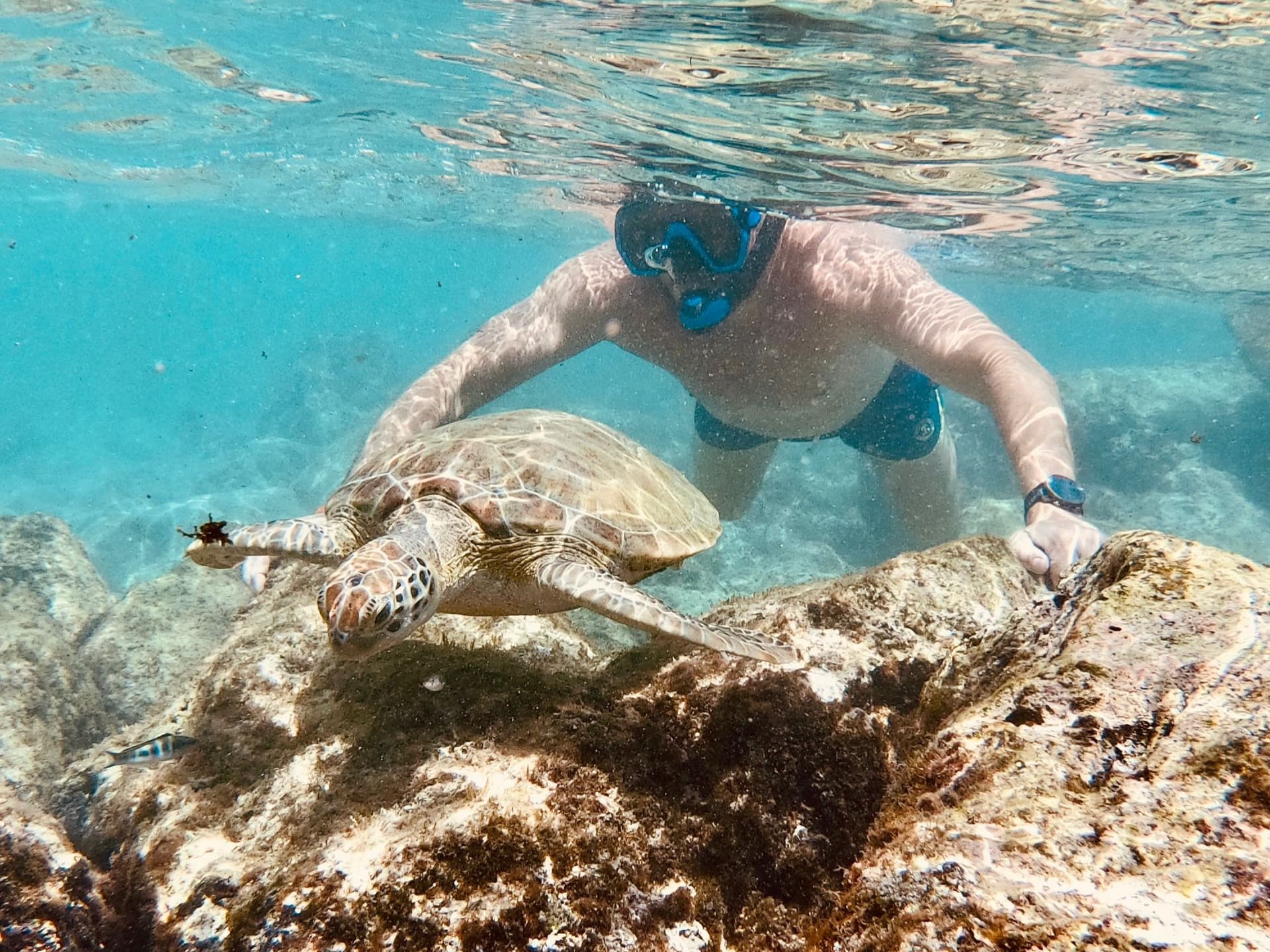
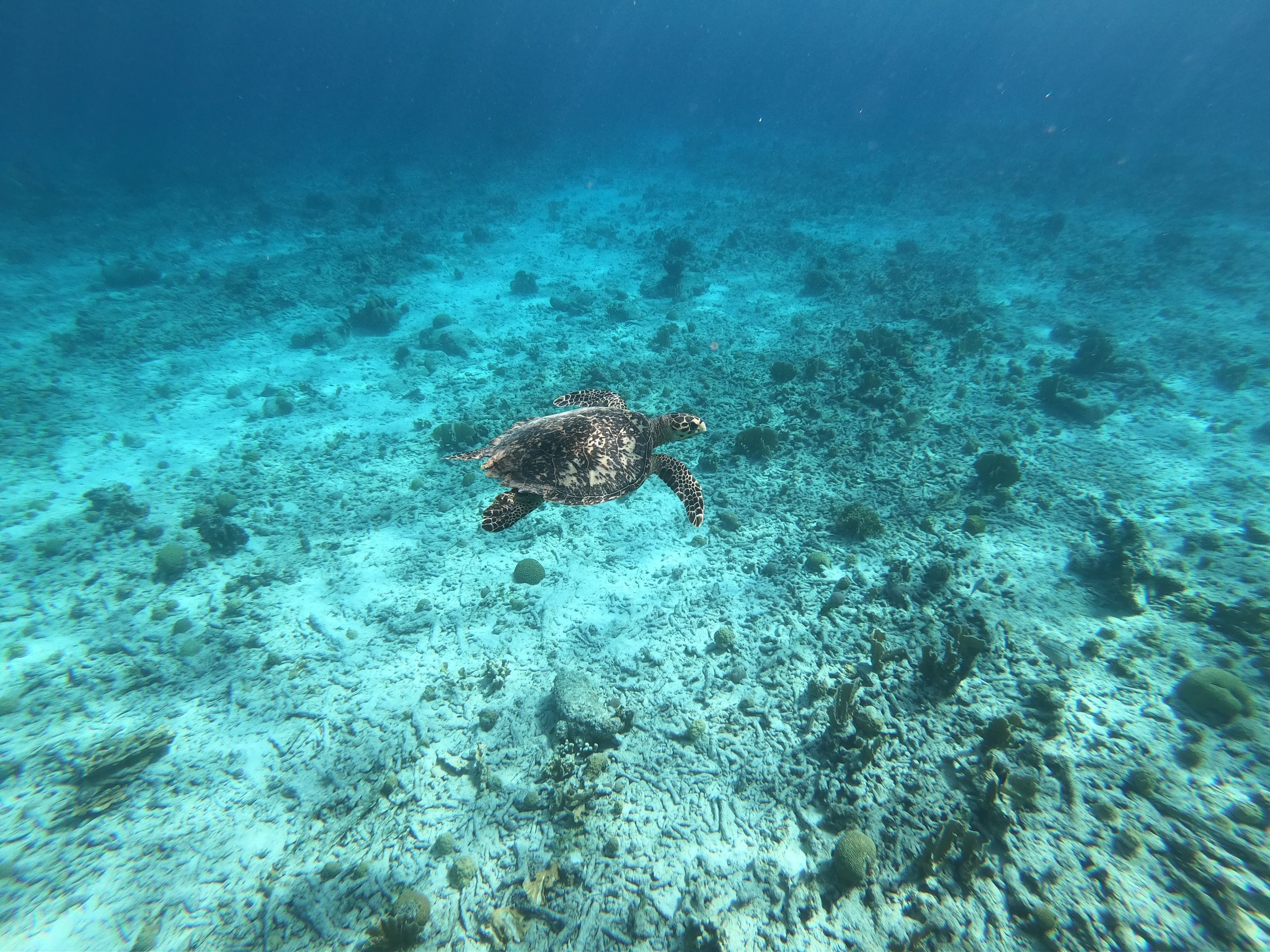
Sea Turtles

Green turtles and hawksbill turtles are common visitors. They feed on seagrass and algae and can be reliably seen at Playa Piskado, Playa Lagun, and Klein Curaçao.

Tropical Fish

Parrotfish, angelfish, butterflyfish, sergeant majors, blue tang, trumpetfish, and queen triggerfish are everywhere. The reefs shimmer with colour.

Octopuses & Seahorses

Patient observers will spot octopuses hiding in crevices and the occasional seahorse clinging to soft coral — especially at the Tugboat wreck and Director's Bay.

Rays & Sharks

Eagle rays glide over sandy bottoms, and nurse sharks rest in overhangs. At deeper sites, you may encounter reef sharks — harmless and beautiful.

Corals & Sponges

Brain coral, elkhorn coral, staghorn coral, pillar coral, giant barrel sponges, and tube sponges form the backbone of the reef ecosystem.

Tugboat — The Shallow Snorkel Classic

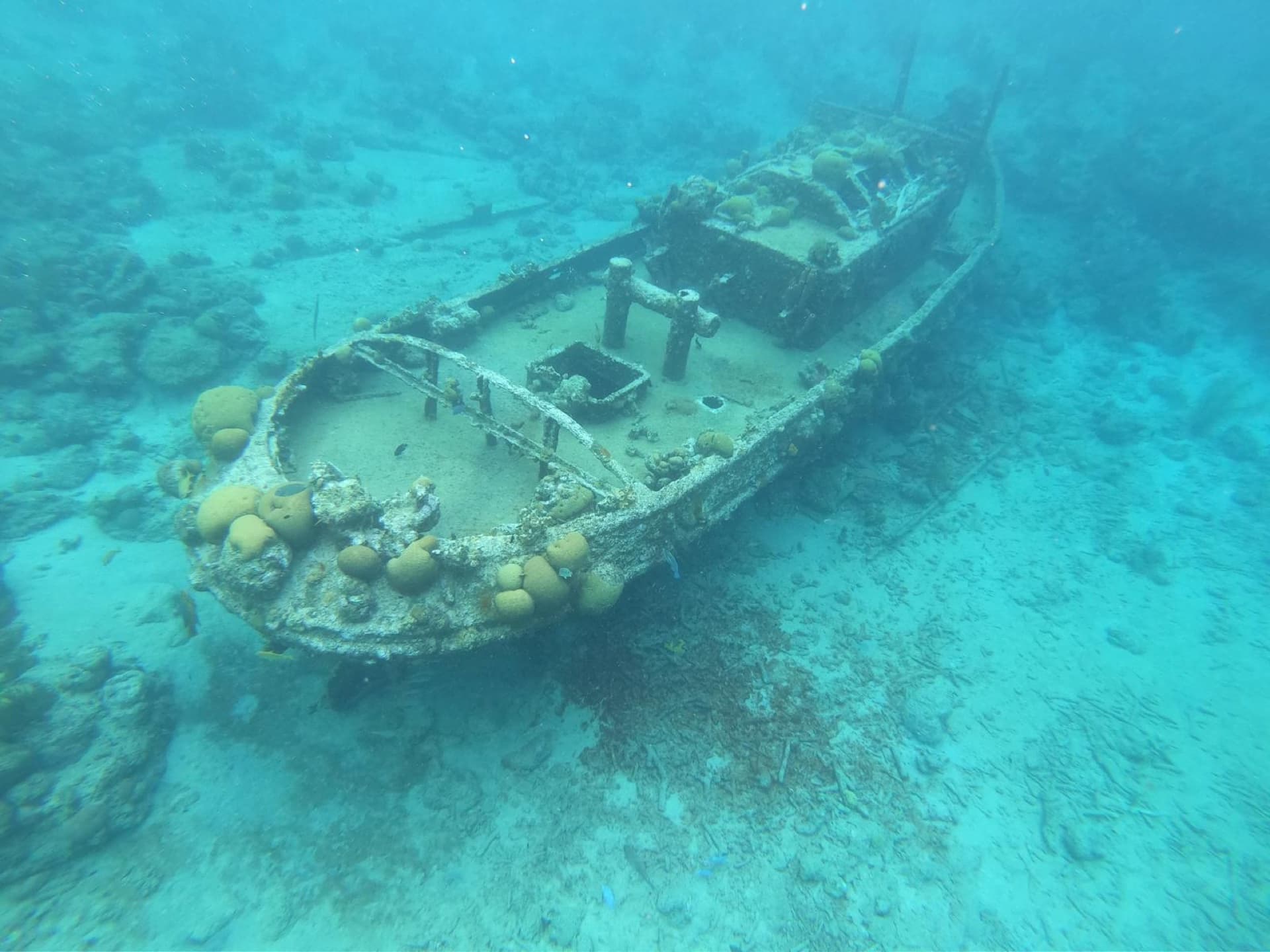
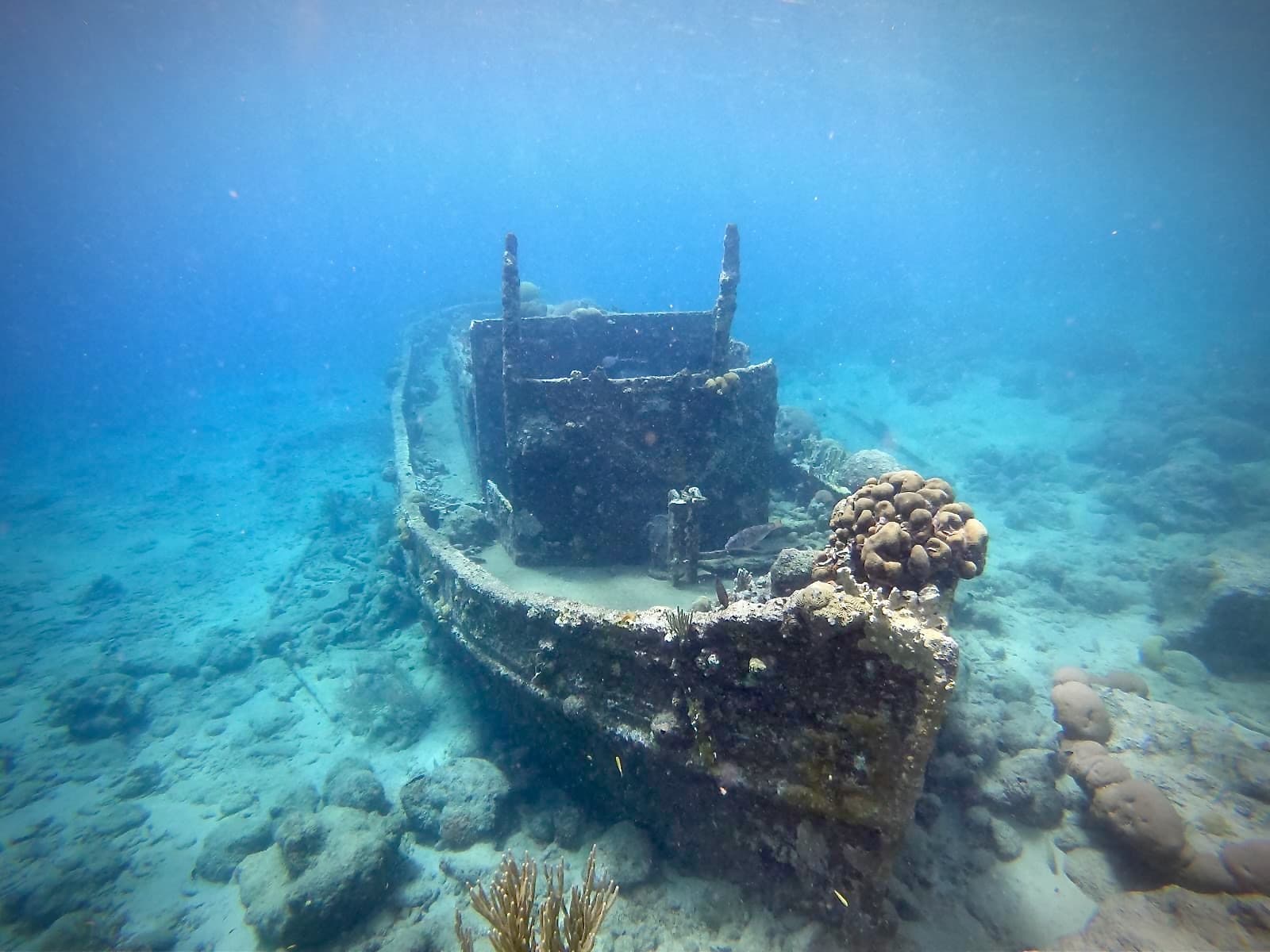
The Tugboat wreck at Caracasbaai is the rare dive site that works equally well for snorkellers. The small boat rests at just 5 metres depth, fully encrusted with orange and yellow corals, surrounded by schools of blue chromis and sergeant majors. Because the wreck sits upright in shallow water, you can view the entire scene from the surface with basic snorkel gear. A green moray eel lives in the stern; lionfish rest inside the wheelhouse. Entry is from the rocky shore east of Caracasbaai; expect a short swim over a sandy bottom before you reach the wreck. Water shoes recommended.

💡 Tip: Come before 10 AM to avoid dive-boat traffic. The fish are also more active in morning light.

Playa Piskado — Guaranteed Wild Turtle Snorkel

Playa Piskado (Turtle Beach) offers what is arguably the world's most reliable wild sea turtle snorkelling. Local fishermen clean their catches at the small pier, attracting habituated green and hawksbill turtles who graze on scraps and sponges. You can snorkel in water less than 2 metres deep and often find a turtle within arm's length — wild, free, uncaged. Rules are strict: no touching, no feeding, no chasing. Hovering still brings them closer. The underwater statue of Neptune at 8 metres is visible from the surface on calm days.

💡 Tip: Mornings (9-10 AM) are when fishermen clean catches and turtle activity peaks. Watch for boat traffic.

Alice in Wonderland (Playa Kalki) — Wonder Coral Garden

Playa Kalki's 'Alice in Wonderland' reef is exceptional for snorkelling. The reef begins at just 3 metres depth and cascades down, but most of the visual density is in the 3-6 metre zone — perfect for snorkellers. Healthy elkhorn and staghorn corals cover the shallows (rare across the Caribbean, thriving here), with queen angelfish, parrotfish, and schools of blue chromis cruising the reef top. Hawksbill turtles sometimes forage in the shallows. Entry is from the pebble beach. The visibility at Playa Kalki is regularly 30+ metres — among the clearest on the island.

💡 Tip: Bring water shoes for the pebble beach. Stay near the reef's top edge; the swim to the deeper wall is long.

Porto Mari Double Reef — Snorkel the Inner Line

Porto Mari's double reef is a dive-site classic but the inner reef (6-10 metres) is prime snorkel territory. Schools of parrotfish and angelfish patrol the shallows; healthy finger corals, star corals, and sea fans cover the reef top. Entry is from the paid beach (palapas, restaurant, bathrooms). The outer reef is only for divers, but snorkellers get the full colour and biology of the inner reef without needing tanks. Between the two reefs is a sandy channel — southern stingrays rest here occasionally.

💡 Tip: Paid entry (~10 USD). Equipment rental on-site; get fins and snorkel, not just a mask — the swim is longer than expected.

Blue Room — Snorkel Into a Sea Cave

The Blue Room is one of snorkelling's great experiences on Curaçao. Accessible by boat only, the large sea cave has a 3-metre underwater entrance. Snorkellers free-dive through the short tunnel into an air-filled chamber lit by blue refracted light. Once inside you can surface and tread water under the ceiling. The effect is cinematic — clear bright blue illumination bouncing off white sand, bats and swallows overhead, silver fish schooling below.

💡 Tip: Mid-morning offers the best light through the entrance. Bring a waterproof camera; the blue glow is famously photogenic.

Cas Abao — Family Snorkel with All Amenities

Cas Abao is Curaçao's family-friendly snorkel paradise. The shallow reef begins 20 metres from shore in calm water. Parrotfish, angelfish, and trumpetfish dominate the shallow zone; butterflyfish cluster around the coral heads. The entry is from soft white sand; kids can snorkel with confidence. Gear rental on-site. The paid beach (~10 USD) includes palapas, showers, a restaurant, and clean bathrooms. This is the easiest 'full-service' snorkel experience on Curaçao.

💡 Tip: Kids under 12 benefit from a flotation vest. The reef starts in 2 metres of water — perfect for beginners.

Playa Lagun — Turtle Bay for Snorkellers

Playa Lagun — Turtle Bay — is another reliable turtle snorkel site, but unlike Playa Piskado, here the turtles feed naturally on sponges and coral rather than fishermen's scraps. The small calm bay has a healthy reef beginning at 4 metres depth. Green sea turtles are regularly spotted at 6-10 metres; from the surface snorkellers can track them as they graze. Entry from a small pebble beach. The bay is enclosed enough to be family-friendly; the water stays calm even on windy days.

💡 Tip: Afternoon visits reward — turtles are often more relaxed around fewer snorkellers. Bring a mask strap (the pebble beach can bash gear).

Director's Bay — Sheltered Easy Snorkel

Director's Bay is a sheltered small bay just south of Willemstad, perfect for casual snorkelling. The reef begins at 4 metres and has large coral colonies, schools of chromis, and the occasional turtle. Entry from the small rocky beach is straightforward. Because the bay is enclosed, currents are minimal and visibility stays good even when the rest of the coast is rough.

💡 Tip: Best for beginners and families. Combine with a visit to Jan Thiel Beach nearby for a full day.

Daaibooi — Snorkel Without the Crowds

Daaibooi is one of the quieter west-coast beaches, with a modest but lovely fringing reef accessible from shore. The reef begins about 20 metres out in 3-5 metres of water. Brain corals, sea fans, and small fish schools populate the shallows; occasional angelfish and barracuda pass through. The beach has simple facilities — palapas, toilets, a small bar — and never gets as crowded as Cas Abao or Porto Mari. Good choice for a quiet family day.

💡 Tip: BBQ grills on the beach. Bring groceries from Willemstad and make a day of it.

Grote Knip — Swim, Cliff-Jump, Snorkel the Rocky Edges

Grote Knip is Curaçao's most photographed beach but the coral at the rocky edges is often overlooked. Swim toward the cliffs on either side of the bay and you'll find a small but colourful reef at 3-5 metres with parrotfish, angelfish, and the occasional octopus tucked in coral crevices. The central sandy beach is ideal for family swimming; the snorkelling rewards venturing to the flanks. Cliff-jumping from the left-hand rock is a local tradition if you're adventurous.

💡 Tip: Weekends get busy — arrive before 11 AM to secure a palapa and a swim before the crowds.

Kleine Knip — Smaller, Quieter, Same Quality Water

Kleine Knip (Playa Kenepa Chiki) is the smaller sister of Grote Knip, just up the coast. The water quality is equal or better; the beach is less crowded. A modest reef lies on the right-hand rocky side with small fish schools and decent coral coverage in 2-5 metres. The sheltered bay is perfect for kids. No paid entry, no facilities beyond a few trees for shade — bring your own supplies.

💡 Tip: Park on the road above and walk down. Bring all your water and snacks; no vendors here.

Playa Jeremi — Rocky Entry, Dramatic Coast

Playa Jeremi sits in a dramatic setting between tall cliffs. The rocky entry is challenging but the water opens into a wide bay with reef on both flanks. The reef is small but photogenic, with good coral at 3-6 metres and a mix of reef fish. Bring water shoes — the pebble/rock beach is rough on bare feet. Best for experienced snorkellers who prefer scenery over facilities.

💡 Tip: Afternoon shadows from the cliffs make photography tricky; morning light is better.

Playa Forti — Cliff-Jumping and Small Reef

Playa Forti is best known for its famous cliff-jump — a 10-metre leap from the cliff into deep water, popular with adventurous locals and tourists. Beyond the jumping, the snorkelling at the left side of the bay is decent, with small coral formations and fish. The pebble/sand beach has a restaurant serving fresh fish. Not the island's best snorkelling but a memorable day-destination.

💡 Tip: Watch cliff-jumpers from the beach first to judge whether you want to try. The cliff-jump is locals-approved; the restaurant tip is solid.

Kokomo Beach — Urban Beach, Surprise Snorkelling

Kokomo Beach, near Willemstad, is an urban beach-club scene that happens to have a decent small reef at the left flank. The swimming area is sandy and clear; swim to the rocks on either side for coral and fish. Not a biological showcase but useful if you're staying in Willemstad and want a quick snorkel without driving to the west coast.

💡 Tip: Weekdays are quieter; weekends the beach club music is loud. Great for an after-work dip.

Mambo Beach — Sea Aquarium's Edge

Mambo Beach sits next to the Sea Aquarium, and the snorkelling benefits from the aquarium's protected waters — fish seem to accept human presence more readily here. The beach is urban-style with bars, restaurants, and nightlife infrastructure, but the snorkelling at the swimming rope perimeter is surprisingly alive: angelfish, parrotfish, schools of snapper, and occasional rays.

💡 Tip: The Sea Aquarium next door adds context — visit the aquarium first to identify species, then find them in the wild next door.

Jan Thiel Beach — Upscale Snorkel

Jan Thiel Beach is the upscale resort-style beach just south of Willemstad. The snorkelling is moderate — small reef at the flanks, clear water, easy entry. What you get here is infrastructure: beach clubs, restaurants, showers, clean bathrooms. Not the wildest snorkel experience but the easiest family option with amenities.

💡 Tip: Beach clubs charge for palapa/chair use. Chose between Jan Thiel Beach Club and Papagayo Beach Club based on vibe.

Playa Santa Cruz — Quiet Reef, Easy Access

Playa Santa Cruz has one of the best quiet snorkelling setups on the west coast. A simple beach, paved access road, a modest reef starting at 4 metres. Good coral coverage and typical reef biology — angelfish, parrotfish, butterflyfish. The old Santa Cruz sugar mill stands nearby, adding historical interest. Less crowded than Porto Mari or Cas Abao.

💡 Tip: Combine with Playa Jeremi nearby for a two-beach day. Simple facilities — bring your own supplies.

Boca Sami — Fishermen's Cove Snorkel

Boca Sami is a working fishermen's cove rather than a tourist beach. The snorkelling is around the edges of the bay where the fishing activity hasn't disturbed the reef. Modest coral, reef fish, occasional larger fish attracted to the fishing activity. Authentic local atmosphere — colourful fishing boats, vendors selling fresh catch. Not a wide sandy beach, but a cultural and biological experience together.

💡 Tip: Combine with a fresh-fish lunch from the beach vendors. The experience is as much cultural as aquatic.

Playa Gipy — Remote North-West Snorkel

Playa Gipy (Gepy) is one of the remoter west-coast beaches, requiring a longer drive and rougher access road. The reward: less crowded conditions and unusually clear water. The reef is modest but healthy; snorkelling at 3-5 metres reveals the typical Curaçao mix plus occasional barracuda and eagle rays passing through the wider channel.

💡 Tip: 4WD recommended for the access road. Very limited facilities; bring everything.

Mushroom Forest — Snorkel the Shallow Formations

Mushroom Forest is boat-access only and primarily a dive site, but the shallower zone (8-12 metres) is reachable by skilled snorkellers who can free-dive. The giant mountain coral formations that give the site its name become visible from the surface on calm, clear days. Most operators offer snorkelling options on Mushroom Forest-Blue Room combo trips.

💡 Tip: Ask your boat captain to anchor closer to the shallow formations. A 10-metre free-dive gets you within touching range.

Klein Curaçao — Snorkel the Uninhabited Island

Klein Curaçao's snorkelling is the island's remote special experience. Day-trip catamarans anchor at the western side of the island, where a shallow reef begins 30 metres from shore. The coral is untouched; visibility regularly exceeds 30 metres. Hawksbill and green turtles are common; fish schools include parrotfish, butterflyfish, and trumpetfish. After snorkelling, the blindingly-white uninhabited beach is the bonus.

💡 Tip: Day-trip catamarans book up fast — reserve a week in advance. Take motion-sickness tablets for the 1.5-2 hour crossing if you're sensitive.

Spanish Water (Mangrove Edges) — Different World Snorkel

Spanish Water is Curaçao's protected inland bay, and its mangrove-fringed edges offer an unusual snorkel experience: very different biology from the coastal reef. Juvenile fish use the mangrove roots as nurseries; seahorses hide in the root systems; moon jellies drift in the shallows. The water is less clear (mangrove sediment, lower salinity) but the experience is wildlife-rich in a unique way.

💡 Tip: Boat access only — several tour operators run mangrove snorkelling tours. A guide helps you find the seahorses, which are cryptic.

Barbara Beach — Resort Snorkel at Santa Barbara

Barbara Beach is the private beach of the Santa Barbara Plantation resort area. The snorkelling is decent — modest reef at the left-flank rocks, typical reef fish. Access requires resort-guest status or day-pass payment. Infrastructure is full-service: sun loungers, restaurants, bars, bathrooms. Not the best biological snorkelling on the island but reliable and comfortable.

💡 Tip: Day-pass prices vary — check in advance. If staying at a south-east resort, this is the most accessible snorkel option.

Blue Bay — Resort Snorkelling with Wall

Blue Bay Resort has a paid beach with snorkelling at the Blue Bay Wall (left flank of the beach). The wall drops from 4 metres to 20+ metres, making it surprisingly dramatic for a snorkel site — you can hover above the wall face and see coral growth to depth. Typical reef biology plus occasional deeper-water fish rising to the wall edge.

💡 Tip: Day-pass includes beach access and facilities. Shop on-site can rent snorkel gear if you forget.

Kaap Sint Marie (Lighthouse) — Dramatic Coastal Snorkel

The snorkelling below the Kaap Sint Marie lighthouse is for experienced snorkellers who enjoy dramatic conditions. Entry is tricky — rocky with moderate surge. The reef is wild and less visited; coral coverage is healthy, fish schools can be large, occasional pelagics pass by. Plan access in calm weather only.

💡 Tip: Check conditions before attempting entry. When it's flat calm this is one of the wilder snorkel experiences on the island; when there's any surge, don't attempt.

Sint Jorisbaai — Bay Snorkel with a View

Sint Jorisbaai on the east coast offers a different snorkel experience from the west-coast reefs. Calmer waters, different fish compositions (more sheltered-bay species), and a distinctive view of landhuis Groot Sint Joris on the bluff above. Access requires driving around to the bay; the shoreline is more rustic than west-coast options.

💡 Tip: On clear days Bonaire is visible in the distance from the bay. Bring a camera.

Crystal Beach — Urban Family Snorkel

Crystal Beach on the south side of Willemstad has a small reef at the flanks that makes for easy family snorkelling. The beach itself is small, clean, and close to shopping and food options. Not a top-tier snorkel destination biologically but extremely convenient for travelers with limited mobility or time.

💡 Tip: Walking distance from downtown Willemstad. Good half-day pit stop between shopping and dinner.

Playa Hunku — Boat-Access Snorkel

Playa Hunku is one of the boat-access-only beaches on the far north-west coast, reachable from Playa Kalki by RIB or power boat. The snorkelling is exceptional — low visitor pressure means healthier coral and more fish. Hawksbill turtles feed in the shallows; occasional eagle rays pass through the channels. Not a beach for casual drop-ins.

💡 Tip: Book a boat tour that includes Playa Hunku — it's worth the effort for the unspoilt conditions.

Rif Fort — Urban Snorkel with Fort View

The Rif Fort area in Otrobanda offers an unusual urban snorkel experience. Entry from the embankment near the Rif Fort historical site; the water has moderate clarity and modest coral growth on the rocky bottom. Occasional schools of snapper and the resident scenery of the Otrobanda waterfront. Not a natural-beauty snorkel but a geographically convenient one.

💡 Tip: Safer during daylight hours. The water quality can vary with weather and harbour activity.

Boca Sami Natural Arches — Explorer Snorkel

Near Boca Sami, several natural rock arches offer a unique snorkel experience — swimming through short underwater tunnels formed by the eroded coastal rock. The biology here is less diverse than reef sites but the topography is the attraction. Best for confident snorkellers comfortable with short tunnels and surge conditions.

💡 Tip: Calm-weather only. Go with a local guide first time — the arches can be tricky to find and conditions change quickly.

About our Seafari safaris

How do I book a Seafari tour?+
Book directly on seafariadventurescuracao.com — select your tour, pick a date, fill in your details, pay securely, and receive instant confirmation. No booking fees. Cruise passengers: we match your ship schedule and guarantee on-time return.
What's included in a Seafari tour?+
All our tours include professional snorkeling equipment, drinks (soft drinks, beer, signature Seafari cocktail), snacks or lunch depending on the tour, sun shade on the boat, and a multilingual guide. Snorkel vests are free on request. You only bring swimwear, towel, and sunscreen.
What if the weather is bad?+
Our Rupert 50 RIB handles moderate chop comfortably. For genuinely dangerous weather we reschedule or refund 100%. You get a call by 7 AM on the tour day if we need to adjust. Curaçao weather is stable year-round — cancellations happen less than 5% of the year.
Is Seafari suitable for children?+
Yes. Children 6+ are welcome on all standard tours. The boat has stable RIB hulls (no seasickness for most), life vests in all sizes, and our guides are trained in family snorkel introductions. For children under 6 we recommend a private charter for flexibility.
Can I book a private charter?+
Yes — the Rupert 50 is available for private charter for groups of 2-36. Design your own route, pick your own stops, set your own pace. Contact us via the Private Charter form and we'll quote a fixed price within 24 hours.
What's the cancellation policy?+
Free cancellation up to 48 hours before departure — full refund, no questions asked. Within 48 hours: 50% refund. If WE cancel (weather, mechanical, safety): 100% refund or free reschedule. Travel insurance is recommended for cruise passengers.
Discover it by boat

The best way to experience Curaçao's coastline is from the water. Our sea safaris take you to the island's most beautiful spots — places you can only reach by boat.

View Our Tours